When purchasing filtration equipment for dining establishments, start with the menu and equipment list instead of flipping through the filter catalog. Effective commercial kitchen water filtration must reflect the actual use of each water point. The requirements for water in coffee extraction, ice making, steaming, cooking, and washing are not the same. A treatment system suitable for one scenario may not be efficient or even applicable in another.
When conducting a practical assessment of water filtration needs for food service systems and the broader HoReCa sector, you should also understand the condition of the source water, the various types of equipment, peak flow rates, filtration goals, maintenance space, and total water filtration capacity.
Why Water Quality is Crucial for Food Service
Water becomes part of beverages, soups, sauces, dough, and ice cubes, and also comes into contact with tableware, glassware, heating surfaces, and internal valves of equipment. Residual chlorine and odors can affect flavors, sediment can increase equipment load, and hardness can easily form scale. Unstable water quality can make it harder to maintain standardized recipes across different shifts or locations.
Procurement principle: Instead of asking "Which filter is the best?" first ask "What water quality issues need to be addressed at each application point, and what flow rate is required during peak business hours?" |
Water Quality Issues in Coffee, Ice Making, Steaming, Cooking, and Washing
Water Point | Common Issues | Goals of Water Filtration Solutions |
Coffee and Beverages | Residual chlorine, odors, mineral imbalance | Provide clean, stable water to maintain consistent flavor |
Ice Makers | Poor taste, scale, opaque ice | Protect equipment and produce clean-tasting ice |
Steam Equipment | Scaling | Reduce scaling on heating surfaces |
Cooking and Filling Pots | Odors, insufficient flow, poor taste | Provide high-flow clean water |
Washing Equipment | Scaling and water spots | Protect equipment and improve rinsing effect |
How to Match Filtration Technology to Different Food Service Applications
When high flow, reducing residual chlorine, improving taste, and blocking harmful impurities in water are the main goals, microfiltration is usually more suitable. Ultrafiltration can provide a finer physical barrier while retaining more dissolved minerals. For stronger removal of harmful impurities such as heavy metals, viruses, and bacteria, and to maintain water quality stability, reverse osmosis can be considered. If the core goal is to protect equipment, scale inhibition or softening treatment can be added.
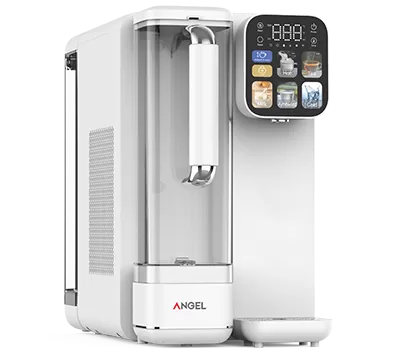
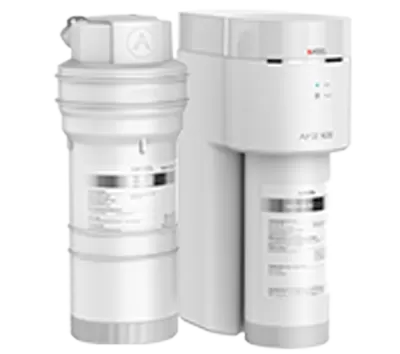
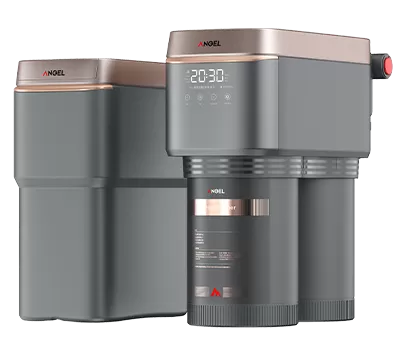
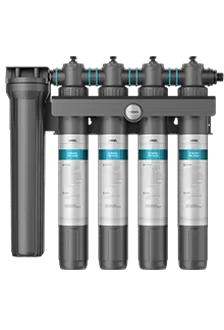
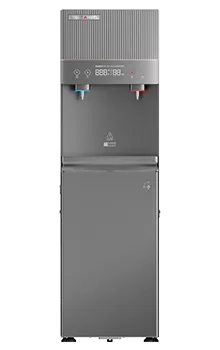
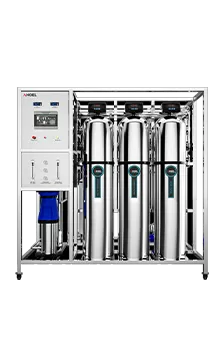
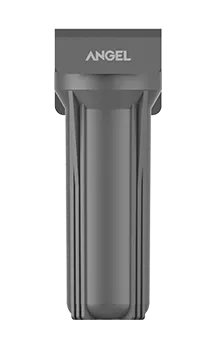
Angel's food service water filters cover MF, UF, and RO solutions, offering different flow rates and total water filtration capacities. For instance, the C series is a non-electric microfiltration platform aimed at commercial high-flow scenarios, while the R8-H provides RO purification and adjustable TDS for coffee applications.
How to Choose Filter Cartridge Capacity and Flow Rate
Flow rate and rated water filtration capacity are two different selection parameters. Flow rate determines the speed of water output when fetching water; rated water filtration capacity represents the total water volume that the filter cartridge can stably filter under standard conditions, directly determining the filter cartridge replacement cycle.
· Record the flow rate required for each piece of equipment and faucet.
· Confirm which water points may be simultaneously active during peak business hours.
· Compare the estimated monthly water usage with the rated water filtration capacity of the filter cartridge.
· Allow for a safety margin for seasonal peaks and new menu items.
· Check the inlet water pressure, available space, and power requirements.
Even if a small filter cartridge has a good ability to remove contaminants, if it limits the speed of water filling, it may not be suitable on-site; conversely, a high-flow filter cartridge may not solve impurity issues requiring RO treatment.
Certification, Maintenance, and Replacement Checklist
Checklist Item | Content to Confirm |
Existing Water Quality Test | Understanding of hardness, TDS, residual chlorine, sediment, and common local contaminants. |
Check Equipment Parameters | The treatment solution is compatible with equipment warranty conditions and water inlet requirements. |
Calculate Peak Flow | Consideration for the simultaneous operation of multiple water points. |
Reserve Maintenance Space | Filter cartridges can be replaced without dismantling kitchen equipment. |
Clarify Replacement Plan | Determine capacity, monitoring methods, and responsible personnel. |
Establish Hygiene Process | Filter bottles, pipelines, and water outlet areas can be appropriately cleaned. |
Connecting Product Parameters with Real Operational Scenarios
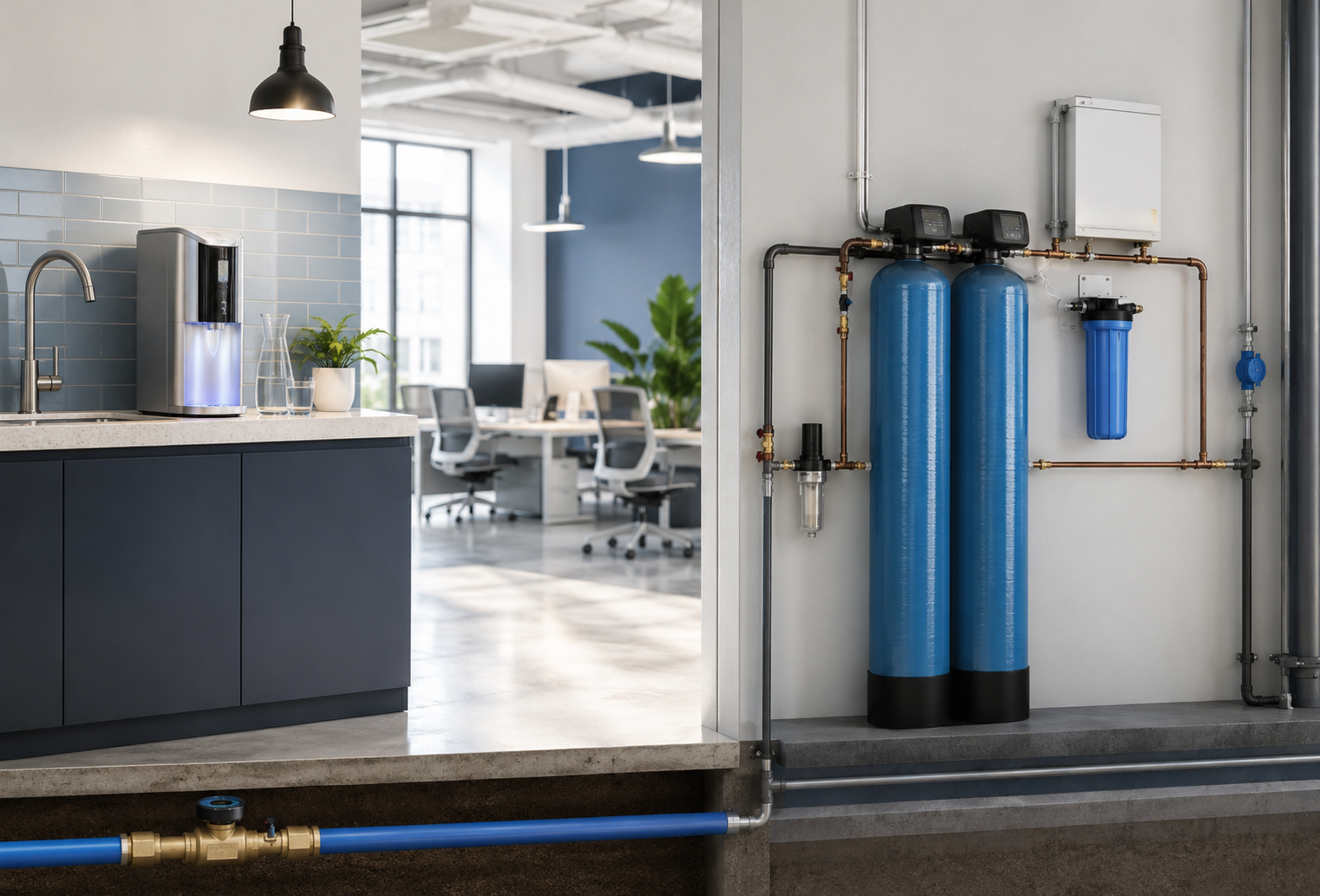
Product pages can showcase filtration technology and rated flow rates, but purchasers also need to understand these parameters in real-world settings. A coffee shop planning to use espresso machines, batch brewing, and ice makers simultaneously can refer to Angel's coffee shop water filtration solutions; a restaurant needing to coordinate washing, steaming, ice making, and drinking water can use the restaurant water filtration solution as a reference for application planning.
For chain enterprises, record differences in raw water between different locations. Even if the equipment is completely unified, if the hardness, residual chlorine, and TDS differ in various places, the actual performance may not be consistent. Through unified on-site survey forms and approved treatment options, problems during installation and commissioning can be reduced.
FAQs about Food Service Water Filtration
Is RO water purification equipment the best choice for all dining establishments?
RO reverse osmosis water purification equipment is not a universal solution for all dining establishments. Selection should be based on a comprehensive assessment of the water source quality and the business model of the store. RO can efficiently remove heavy metals, bacteria, and scale-forming calcium and magnesium ions, producing stable pure water, which can prevent scale in water boilers and ice makers and ensure the flavor of coffee and tea, making it an ideal choice for tea shops, coffee shops, and dining establishments in areas with high water hardness. However, for dining establishments with good municipal water sources and different water usage needs, other filtration solutions can be evaluated based on the budget. It is recommended to prioritize local water quality conditions when purchasing to match your own water usage scenarios.
What information should be provided to suppliers?
It is recommended to provide a water quality report, equipment list, required flow rate, daily water usage, installation photos, water and electricity conditions, and maintenance requirements.
Can one system serve both coffee and washing?
Some layouts can, but the treatment goals and flow rates for both are often different, and separate branches for treatment are usually easier to optimize.
How to control filter cartridge replacement costs?
Select a sufficient rated water filtration capacity, monitor actual usage, use pre-filters to reduce sediment load, and maintain a recorded maintenance plan.
 NORTH AMERICA
 Thailand
  Indonesia