Climate change is no longer just an environmental issue—it has become a real topic that directly affects water quality. Rising temperatures, extreme rainfall, droughts, and ecosystem changes are directly impacting the cleanliness, stability, and predictability of drinking water.
These changes are putting additional pressure on municipal water supply systems, while also increasing the importance of household-level water treatment solutions, such as reverse osmosis (RO) water purification systems.
Climate Change is Altering Drinking Water Sources
One of the most direct impacts of climate change is the decline in the stability of natural water sources.
More frequent heavy rainfall and flooding can lead to:
Agricultural runoff entering rivers and reservoirs
Increased sediments and organic pollutants
Microbial contamination entering the water supply system
Meanwhile, drought conditions can cause:
Higher concentration of pollutants
Increased salinity in certain areas
Reduced ability to dilute pollutants
Microbial Risks from Rising Temperatures
Rising temperatures can also affect microbial activity in water sources.
Warmer water bodies may lead to:
Faster reproduction of bacteria and algae in reservoirs
Increased use of disinfectants (such as chlorine)
Formation of disinfection by-products
Changes in the taste or odor of tap water
Even if municipal water supply systems still meet safety standards, fluctuations in water quality can increase noticeably during periods of extreme heat or seasonal changes.
Therefore, more and more households are focusing on the benefits of drinking RO water to further enhance water quality stability at the endpoint.
The Rising Importance of Reverse Osmosis Technology
Reverse osmosis (RO) is one of the most effective water treatment technologies currently used in households.
RO systems remove through a semi-permeable membrane:
The U.S. Centers for Disease Control and Prevention points out that if properly maintained, reverse osmosis systems can improve the quality of drinking water. As a result, household reverse osmosis water purification systems are gradually transitioning from "optional equipment" to "long-term solutions."
Advantages of Drinking RO Water for Household Drinking Water Safety
With increasing water quality fluctuations, the benefits of drinking reverse osmosis water become more apparent:
More stable water quality, unaffected by fluctuations in source water
Reduced risk of exposure to dissolved pollutants
Purer taste (reduced chlorine or metallic taste)
Stable drinking water quality at the point of use
In practical applications, RO systems are equivalent to establishing a "final barrier" at the end of household water use.
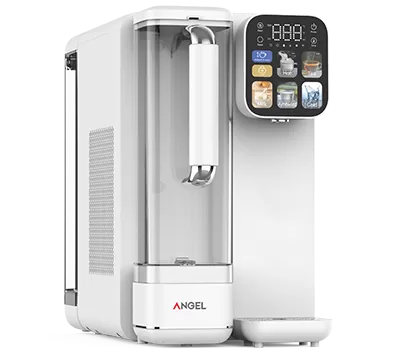
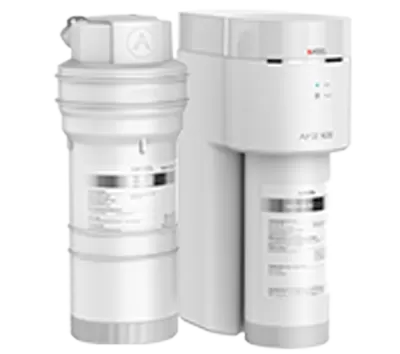
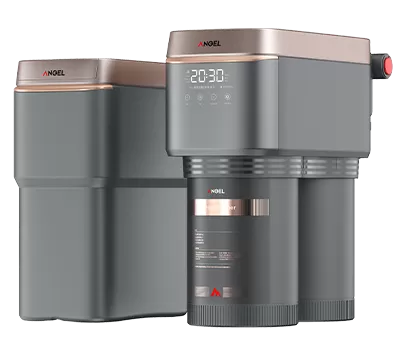
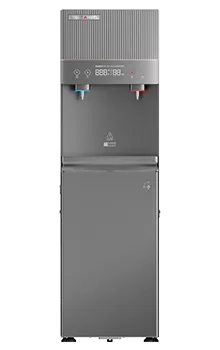
The Angel household RO system is designed for this purpose, providing daily stable purified water for households through compact structures and multi-stage filtration.
Changes in Household Water Purification System Usage
With increasing water quality uncertainty, more and more households are shifting from bottled water or basic filters to more comprehensive integrated water purification systems.
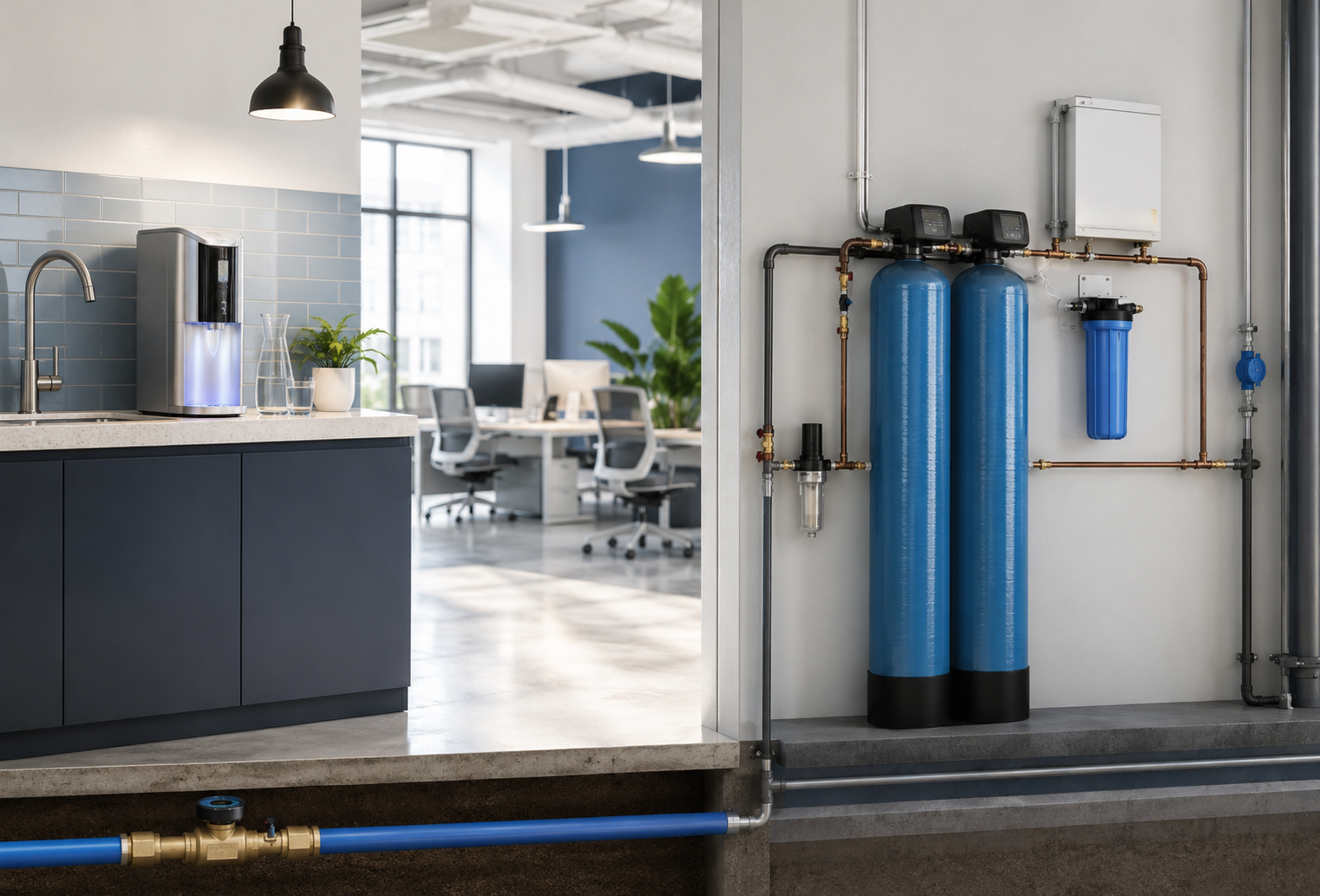
Common configurations include:
Under-sink reverse osmosis water purification systems
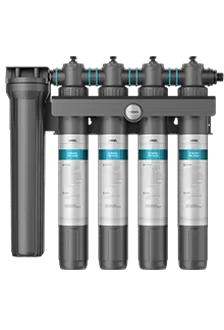
Whole house household water purification systems
Desktop RO water purifiers
These systems provide:
Continuous stable purified water supply
Reduced reliance on bottled water
More space-saving installation methods
Long-term stable operation capability
This reflects a trend: household water purification systems that better adapt to environmental changes are becoming mainstream.
Increased Importance of Maintenance and System Reliability
When water quality becomes more unstable, the importance of system maintenance also increases accordingly.
Key maintenance includes:
Regular replacement of water purification filters
Monitoring RO membrane performance
Checking water flow stability
Regular system flushing
Without maintenance, even advanced systems may experience efficiency decline during long-term operation, especially in environments with significant water quality fluctuations.
Therefore, reliability and maintenance design have become important components of modern household water purification systems.
Conclusion: Water Purification is Becoming Climate Adaptation Infrastructure
Climate change is reshaping our understanding of drinking water safety. Due to increased environmental pressure, relying solely on centralized water treatment is no longer sufficient to cope with water quality fluctuations.
Flooding, droughts, rising temperatures, and ecological changes are all continuously exacerbating the uncertainty of water quality.
In this context, reverse osmosis water purification systems are becoming an important solution for households, providing stable and reliable final protection at the point of water use.
The Angel household water purifier exemplifies this trend, addressing modern water environment challenges through scalable water purification solutions.
Ultimately, the future of drinking water safety is not just "source treatment," but "household control"—ensuring a stable, high-quality drinking water experience amidst environmental changes.
 NORTH AMERICA
 Thailand
  Indonesia