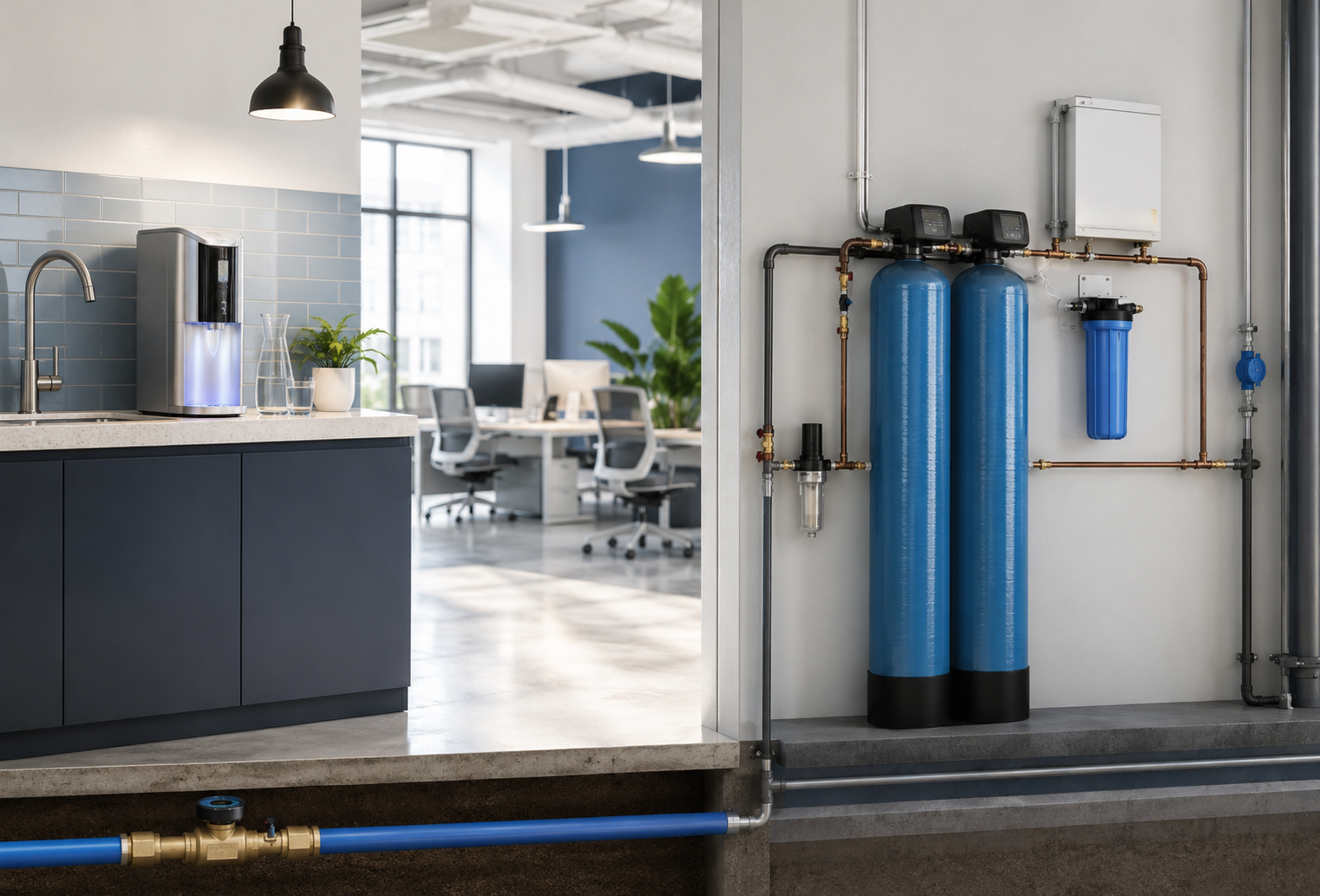
Restaurants do not have a single water usage requirement; rather, they have multiple water usage scenarios. Therefore, commercial kitchen water filtration systems should not be designed as a single, general treatment point. Water may be used for washing glasses and dishes, making ice cubes, filling cooking pots, making beverages, and being directly consumed by customers. Different scenarios have varying sensitivities to hardness, residual chlorine, sediment, dissolved minerals, and microbial risks.
Therefore, when choosing a commercial water filtration system for a restaurant, the actual water usage scenarios should be fully considered first, rather than locking onto a specific product. A reasonable restaurant water filtration system should protect equipment, support food and beverage quality, provide sufficient flow during peak business hours, and avoid unnecessary over-treatment at each water outlet.
Why Restaurants Need Water Treatment Based on Application Scenarios
Water quality issues in restaurants may seem unrelated, such as white scale forming inside steamers, water spots on glasses, cloudy ice cubes, off-flavors in beverages, or slow filling of prep sinks. In reality, these issues may all stem from the same source water, but different equipment requires different treatment focuses.
Application Scenario | Main Water Quality Issues | Typical Treatment Goals |
Glass and Dish Washing | Hardness, Water Spots, Detergent Performance | Control Scale and Enhance Rinse Effectiveness |
Steam Equipment | Scale and Mineral Deposits | Protect Heating Surfaces and Reduce Downtime Maintenance |
Ice Maker | Off-Flavors, Scale, Opaque Ice | Obtain Cleaner Ice Cubes and Ensure Stable Ice Making |
Drinking Water and Beverages | Residual Chlorine, Off-Flavors | Improve Taste and Maintain Beverage Stability |
Pot Filling and Cooking | Taste, Discoloration, and Flow Rate | Provide Clean and High-Flow Water for Food Preparation |
Water Filtration for Glass and Dish Washing Scenarios
Commercial dishwashing equipment requires large amounts of hot water in a short time. High water hardness can form scale on heating components, and minerals may cause spots on the surfaces of glasses and dishes. Water quality also affects the performance of detergents and rinse aids.
The treatment method depends on local hardness and the restaurant's requirements for washing results. Restaurants can improve taste and odor through sediment and activated carbon filtration, and protect equipment through scale inhibition treatment; when hardness is high, a softening solution can also be considered. The system must also ensure sufficient flow during peak dishwasher operation cycles.
Water Quality Requirements for Steam Equipment
Combi ovens, steamers, and steam jacketed kettles concentrate minerals in water during continuous heating. Even if the source water hardness is only moderate, serious scale can form rapidly when the equipment operates for long periods daily. Scale forms an insulating layer, increasing energy consumption, and interfering with sensors, valves, and heating surfaces.
Therefore, the commercial water filter for restaurant steam equipment should be selected based on the water requirements of the equipment manufacturer. In hard water areas, a dedicated scale inhibitor filter can be included in the equipment protection plan; if the source water situation is more complex, softening or RO may be needed for a more comprehensive treatment.
How to Filter Water for Ice Making
Ice cubes are part of the beverage itself, not just a cooling medium. Residual chlorine and off-flavors may be trapped in ice and become more pronounced when melted; mineral deposits also affect the evaporator surfaces, valves, and water distribution components inside ice makers.
For ice making, the filtration system should provide clean-tasting water at a stable flow rate and reduce the scale and sediment load that affects equipment. The filter capacity needs to match the actual ice production volume; otherwise, filter cartridges that seem sufficient on paper may show performance decline during busy periods.
Drinking Water, Beverages, and Pot Filling Water
Drinking water directly provided to customers has different priorities than water used only for equipment protection. Taste and off-flavor control are especially important, while ensuring hygienic reliability and easy filter replacement. Water used for soups, broths, sauces, and beverage bases, if clean enough, can preserve the original taste of the ingredients without adding chlorine or noticeable mineral flavors.
Pot filling points and prep sinks usually require higher flow rates. Using low-capacity drinking water filter cartridges to quickly fill large containers can easily cause operational delays. Therefore, the best water filtration system for a restaurant is often not just a small filter cartridge serving the entire kitchen, but multiple treatment points tailored for different tasks.
How to Plan a Restaurant Water Filtration System
· List all water-using equipment and record inlet connection sizes, required pressure, and peak flow rates.
· Obtain the latest water quality report, or test for hardness, TDS, residual chlorine, sediment, and common local issues.
· Differentiate between water for beverages, scale protection, and general functional use.
· Calculate peak simultaneous water usage, rather than just average daily water usage.
· Allow enough space for filter replacement, flushing, and maintenance.
· Confirm equipment warranty conditions and manufacturer water quality requirements before final selection.
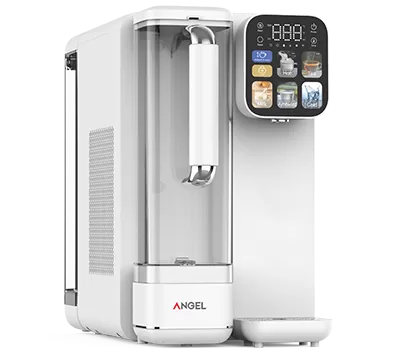
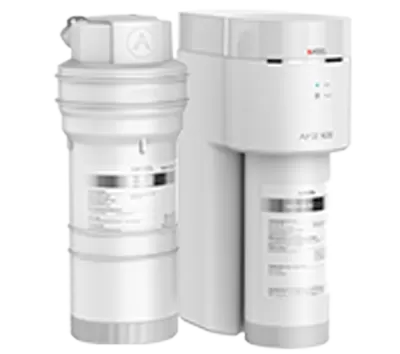
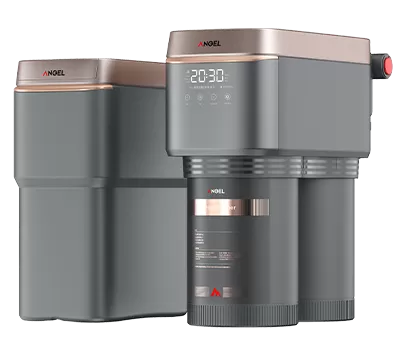
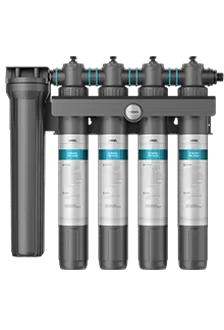
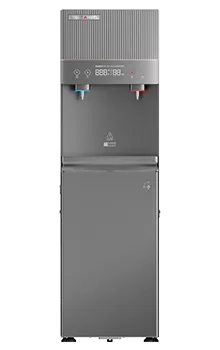
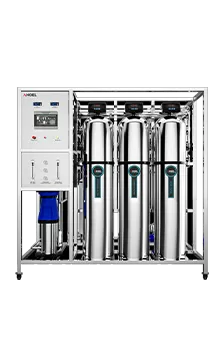
Angel provides dedicated restaurant water filtration systems, planned around taste improvement, equipment protection, expandable flow rates, and actual restaurant applications. If you need to compare MF, UF, and RO solutions more broadly, you can also check Angel’s food service water filtration systems.
FQAs About Restaurant Water Filtration
Can one filtration system serve an entire restaurant?
Some small restaurants can, but many restaurants are better suited to having different treatment branches, as the requirements for washing, steam, ice making, and drinking water are not the same.
Does a restaurant necessarily need an RO water filtration system?
Not necessarily. If the location is in an area with high-quality municipal water sources, stable water quality, and low hardness, only removing residual chlorine and suspended solids for ingredient washing, an ultrafiltration with activated carbon filtration solution can also meet basic water needs.
How to determine filter cartridge capacity?
It should be based on peak flow rate, daily water usage, source water quality, and the rated capacity of the filter cartridge, with a service margin for busy periods.
What information is needed to formulate a water filtration plan?
It is recommended to provide a water quality report, equipment list, water inlet requirements, daily water usage, peak flow rate, installation photos, and available space.
 NORTH AMERICA
 Thailand
  Indonesia