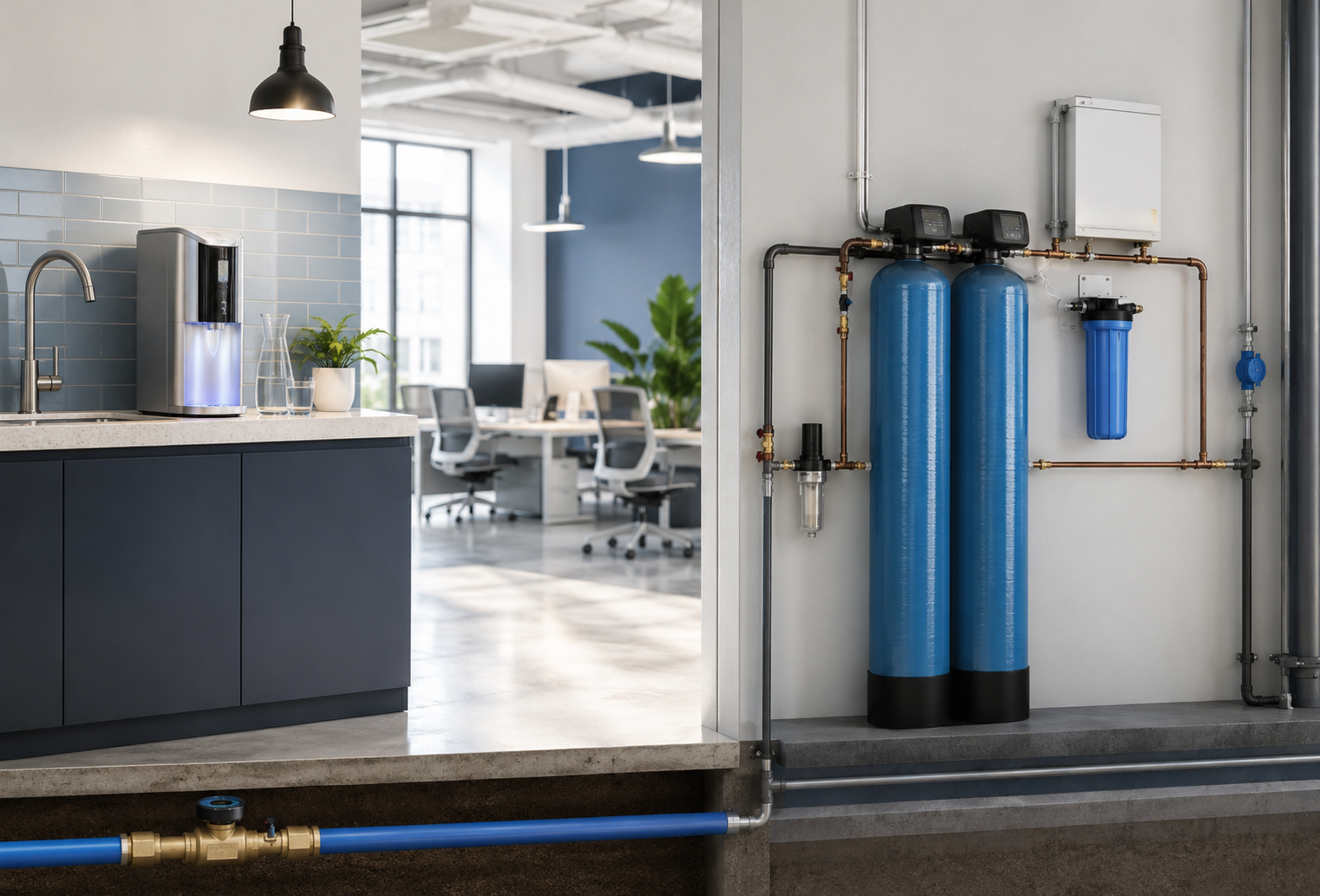
A comprehensive drinking water solution for educational institutions needs to maintain stable operation during long-term operations, class breaks, meal times, sports activities, and public events. The real challenge is not only purifying water quality but also includes capacity, accessibility, location planning, water temperature, maintenance, and avoiding long queues during peak demands.
Therefore, school drinking water solutions should be planned as infrastructure projects. The design needs to reflect the number of students and staff, campus layout, raw water quality, and the way the logistics team actually maintains the equipment.
What Drinking Water Challenges Do Schools and Universities Face
· Water demand varies significantly during classes, breaks, lunch, and activity periods.
· Different buildings on large campuses are far apart, and the number of users varies greatly.
· Young students, staff, visitors, and sports personnel may require different water access points.
· Maintenance work must adapt to teaching schedules to minimize the impact on daily courses.
· Hot water features need to be cautiously arranged with appropriate operational controls.
· High-frequency daily water usage requires durable equipment and a clear filter maintenance plan.
Placing only one water dispenser near the administrative building is usually not sufficient to form a complete campus drinking water plan. Water points should be set up in locations where people naturally pass by, such as teaching building hubs, restaurants, libraries, dormitories, staff areas, sports facilities, and public halls.
How to Plan Water Points in Educational Facilities
First, divide the campus into different service areas, record the number of users and opening hours of each building, then determine the most convenient water point locations. Walking distance is very important: even if the equipment parameters are sufficient, if the location is hidden or too far from daily routes, the actual usage rate will be very low.
Campus Area | Planning Focus |
Primary and Secondary School Buildings | Safe access, queue management, and easy supervision |
University Buildings | Peak demand during breaks and longer opening hours |
Libraries and Study Areas | Quiet, convenient, and minimal disruption |
Restaurants and Cafeterias | High capacity demand near meal times |
Dormitories | Long opening hours and decentralized access |
Sports Facilities | Hydration needs before and after training and activities |
How to Calculate the Required Capacity for Students and Staff
When planning a university drinking water system, capacity estimation should not just look at the total number of students, but also consider the actual number of people present in each service area, opening hours, drinking habits, seasonal temperatures, and peak simultaneous water usage.
It is not recommended to publicly use a uniform rule of "one device for a fixed number of X students." The same number of people may have completely different needs under different course schedules, building layouts, and hydration habits. On-site surveys usually provide more reliable results.
Filtration and Water Temperature Choices for Campus Drinking Water
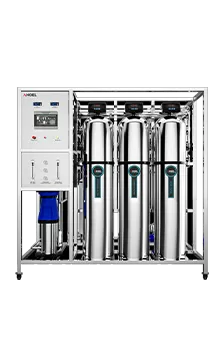
Treatment technology should be determined based on raw water testing. In campuses with complex water sources, aging secondary water supply, and groundwater, RO reverse osmosis, with its extreme filtration capability, is the preferred solution for reducing water quality risks and ensuring direct drinking water safety. It is also a mature solution widely adopted by many universities. The final system must also have suitable flow and total purified water capacity for the site.
The required drinking water temperature function should also match the user group and installation location. Sports areas and high-temperature environments may need more cold water; staff rest areas or university facilities may need hot water, but in areas with young students and no supervision, hot water functions may not be appropriate. If temperature control is not necessary, room temperature water can reduce system complexity.
Installation and Maintenance Planning
Check Items | Content to Confirm |
Confirm Water and Power Conditions | Ensure water supply, power, water pressure, ventilation, and drainage conditions are available at the required locations. |
Reserve Maintenance Space | Technicians can safely replace filters and disinfect equipment. |
Clarify Responsible Personnel | Appoint school personnel or service providers to be responsible for maintenance plans. |
Monitor Filter Life | Replace based on capacity, water quality, and equipment prompts. |
Develop Cleaning Plan | Regularly clean the water outlet and contact areas. |
Prepare Shutdown Plan | Provide alternative water points during equipment maintenance. |
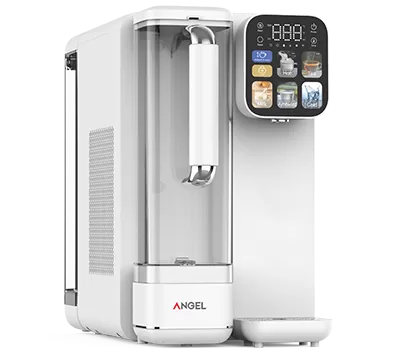
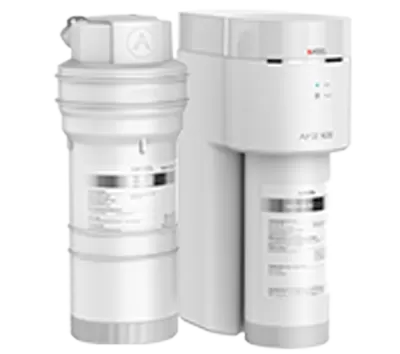
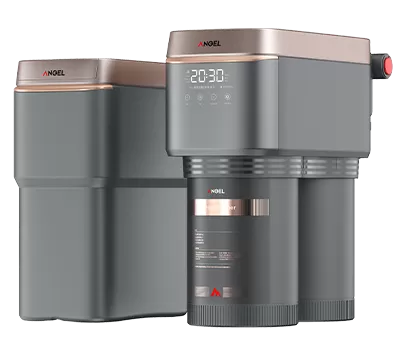
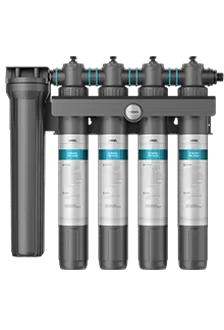
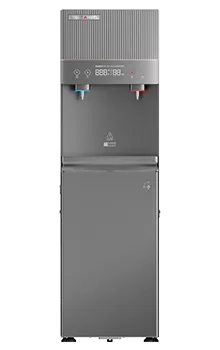
Angel provides instant filtration and drinking solutions, equipped with high-capacity direct drinking machines (RO water dispenser) to meet peak demand, connect to existing water supplies, and support on-site customization. These planning principles are also applicable to schools, universities, training centers, and other educational facilities.
Procurement Checklist for Educational Institutions
· Latest water quality report and raw water source description.
· Number of students, staff, and visitors by building.
· Peak demand during breaks, meal times, and activities.
· Required room temperature, cold water, and hot water functions.
· Available installation locations and water and power conditions.
· Expected maintenance methods, spare filters, and response times.
· Product durability, filtration capacity, and documentation requirements.
To compare direct connection upright RO solutions, the purchasing party can check Angel's bottleless water dispenser series to compare different purification, heating, and cooling capabilities. Campuses can use different models in different areas rather than forcibly unifying to the same specification.
From Product Selection to Campus Location Planning
The final plan should specify each water point, the corresponding service population, expected peak demand, equipment capacity, water and power conditions, and maintenance routes. This is the only way to turn a one-time product purchase into a sustainable public drinking water supply system.
Schools and universities can contact Angel to develop on-site water point plans based on campus population, building distribution, water quality, and operating hours. Contact Angel for a site water point plan.
FAQs about Drinking Water in Educational Institutions
How many drinking water devices does a school need?
It should be calculated based on the number of people in each building, walking distance, peak times, equipment output capacity, and available water and power conditions, rather than using a fixed ratio.
Do all schools need to use RO reverse osmosis drinking water equipment?
Not necessarily, it should be based on local water quality testing and analysis. Primary and secondary schools with excellent water quality and stable municipal water supply can choose ultrafiltration or nanofiltration drinking water equipment; campuses with poor water source conditions, severe scaling, aging pipelines, and high pollution risks, RO reverse osmosis is a reliable solution to ensure safe drinking water for teachers and students.
Where should water dispensers be installed?
Priority should be given to high-frequency movement areas such as restaurants, teaching building hubs, libraries, dormitories, staff areas, and sports facilities.
How to organize maintenance work?
Clarify responsible personnel, record filter replacement and disinfection, keep service records, and arrange alternative water points during maintenance.
 NORTH AMERICA
 Thailand
  Indonesia