Many families choose bottled water because it appears convenient and "safer," while others rely on home filtration systems to reduce costs and enhance daily convenience. Both methods can provide water that meets drinking safety standards, but there are significant differences in terms of cost, control, and the actual experience of long-term use.
Modern water filtration systems, especially reverse osmosis (RO) systems, are increasingly being used as alternatives to bottled water. They can continuously provide treated drinking water in home kitchens, drinking points, and other high-frequency water usage scenarios, helping families reduce long-term reliance on bottled water. Good food-grade water treatment solutions are typically designed around the daily needs of "instant purification, stable water output, on-demand use," rather than relying on pre-filling and long-term storage.
What is Bottled Water
Bottled water is generally a drinking water product that has been processed, bottled, and sealed for sale. Depending on the source and type of product, it may come from spring water, groundwater, or municipal water systems; it typically undergoes filtration, disinfection, or other purification treatments before entering the packaging process.
Legitimate bottled water needs to meet the food safety and drinking water requirements of the sales market, but it is not a “completely different type of water.” In many cases, the differences in bottled water are more reflected in the source, treatment process, packaging, transportation, and storage conditions.
What Does Home Filtered Water Mean
Filtered water refers to water that has been treated by a home-installed water filtration system before reaching the tap, removing impurities beforehand.
Common filtration technologies include:
Particle filtration (removal of silt and suspended solids)
Activated carbon filtration (improves taste, reduces chlorine odor)
Reverse osmosis (RO) filtration (reduces dissolved solids, some heavy metals, and other small pollutants)
Household water treatment equipment can improve water quality by reducing lead, disinfection by-products, and particle pollutants through different technologies.
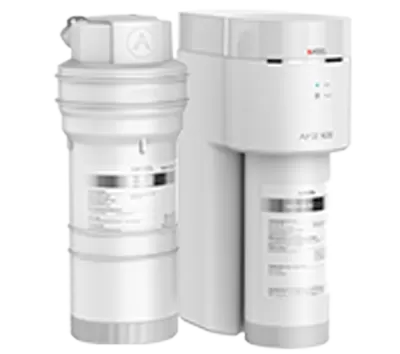
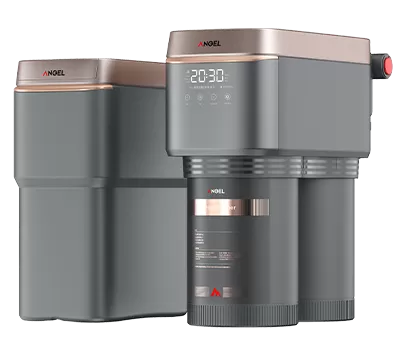
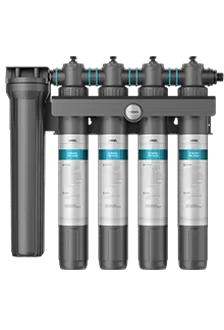
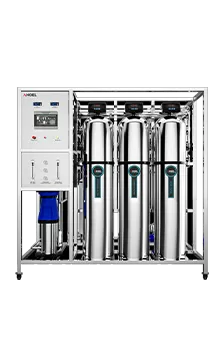
Angel household water purification systems use a multi-stage treatment method, combining pre-filtration with reverse osmosis membrane filtration to provide stable drinking and kitchen water output in household scenarios.
Cost Comparison: Bottled Water vs. Filtered Water
One of the most obvious differences between the two is long-term cost.
Bottled water requires continuous purchases, and the more consumed, the more apparent the cost increase. Even with moderate daily consumption, the long-term accumulation can lead to significant expenses.
In contrast, a quality home water filtration system typically has:
One-time installation cost
Regular filter replacement
Lower cost per liter of water
Industry analysis generally believes that, from a long-term perspective, the unit cost of water from a home filtration system is significantly lower than that of bottled water.
Safety Comparison: Which is More Reliable?
Both bottled water and filtered water can meet safety standards for drinking, but they rely on different control systems.
Bottled Water Safety Relies On:
Factory production quality control
Filling and packaging hygiene conditions
Storage environment and shelf life
Filtered Water Safety Relies On:
Quality of the filtration system
Maintenance and replacement of filters
Quality of the source water
A well-maintained reverse osmosis water filtration system can achieve "instant purification," with water being treated immediately before drinking, rather than being stored long-term. The reliability of either option also depends on the original water source and the types of contaminants that may be present in tap water.
Taste Difference: Why Filtered Water is "Cleaner"
The taste of water is mainly affected by the following factors:
Filtered water, especially water treated with RO, tends to have a more neutral taste as most dissolved substances are removed.
Therefore, many families tend to use drinking water filtration systems for daily drinking, making tea, and cooking to ensure taste consistency.
Installation Methods: Countertop vs. Under-Sink Systems
Home filtration systems are divided into different types based on space and needs:
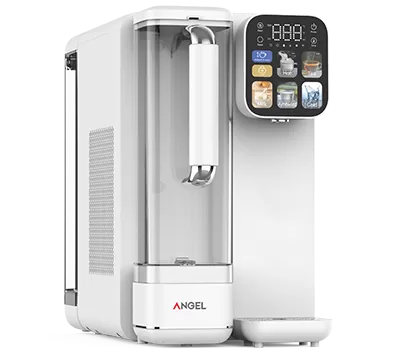
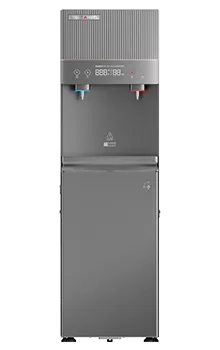
Countertop water dispensers
→ Easy installation, suitable for rentals, small kitchens, or households that are inconvenient to modify water lines
Among them, under-sink systems are usually more suitable for long-term family use because they balance performance and space efficiency and provide continuous water supply capability.
Angel water purification systems in the home are centered around the demand for "all-scenario safe water use and layered purification supply": through the integrated design of under-sink systems, combining deep purification with stable water output capabilities, achieving unified coverage of various water use scenarios such as drinking, cooking, and cleaning. These systems typically use a dual water output structure design, providing both direct drinking-grade pure water and filtered water simultaneously, one for direct drinking, brewing coffee or tea, and the other for washing fruits and vegetables, dishes, and other daily kitchen water uses, thereby achieving different water quality graded usage within the same system, improving overall water use efficiency and safety. Taking the Angel A7 SE dual water output reverse osmosis water purifier as an example, it adopts a tankless design and high-flux reverse osmosis technology, capable of preparing pure water instantly during use, reducing the risk of secondary contamination from water storage while ensuring continuous and stable water output capacity, more suitable for modern families' high-frequency usage scenarios.
In contrast, some countertop products emphasize usage flexibility and convenience. These devices do not require water line modification or complex installation; they can be used immediately after placement, achieving instant filtration and drinking, especially suitable for rental families, small kitchens, or temporary usage scenarios. Their advantage lies in low installation thresholds, easy movement, and the ability to meet basic water needs such as daily drinking and brewing, serving as an important complement to under-sink systems, covering a wider variety of family structures and lifestyles. Overall, under-sink systems are more inclined to be the "core water purification center" of the home, emphasizing long-term stability and all-scenario coverage, while countertop products serve as flexible supplementary solutions, jointly constructing a more complete home drinking water solution path.
Environmental Impact: Important but Often Overlooked Differences
Bottled water continuously generates plastic waste, and even with recycling systems in place, a large number of plastic bottles still enter the environmental waste chain.
Home filtration systems significantly reduce the use of disposable plastic bottles through the "instant use and water production" method.
As a result, more and more families are turning to home water filtration system solutions after evaluating long-term water usage habits.
Conclusion: Bottled Water vs. Filtered Water, Which is Better?
Both bottled water and filtered water can be safe drinking options, but their uses and values differ.
Bottled Water:
Filtered Water:
Lower long-term costs
Continuous water supply on demand
Customizable purification levels
Reduced dependence on packaging systems
For most families, a modern home water filtration system, especially a RO reverse osmosis system, is usually a more sustainable and economical long-term choice.
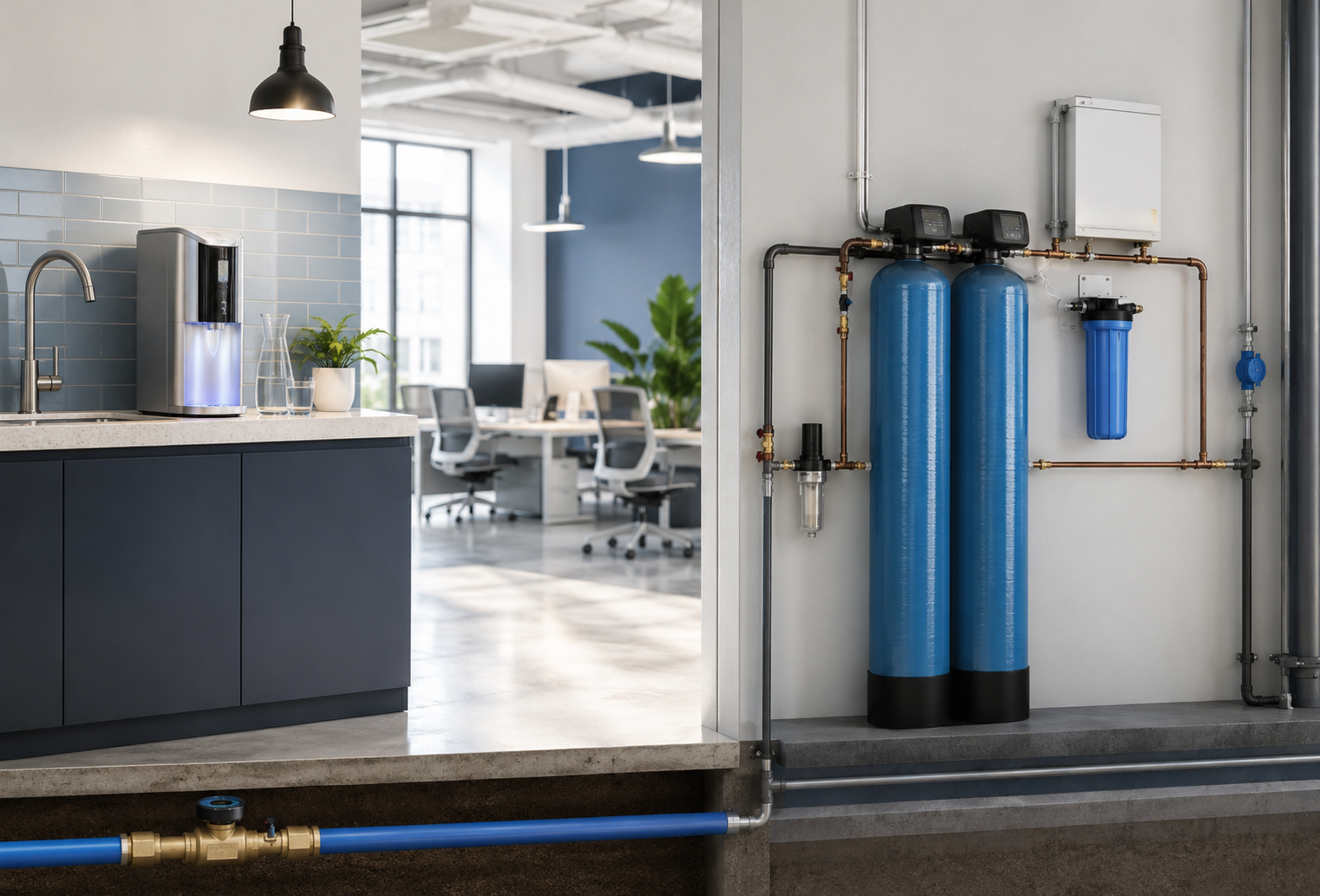
Angel's water purification philosophy reflects this trend—from relying on bottled water to continuous on-site purification and water supply in home or commercial scenarios.
The ultimate difference is not just about price or convenience, but about your ability to control the quality of your daily drinking water.
 NORTH AMERICA
 Thailand
  Indonesia