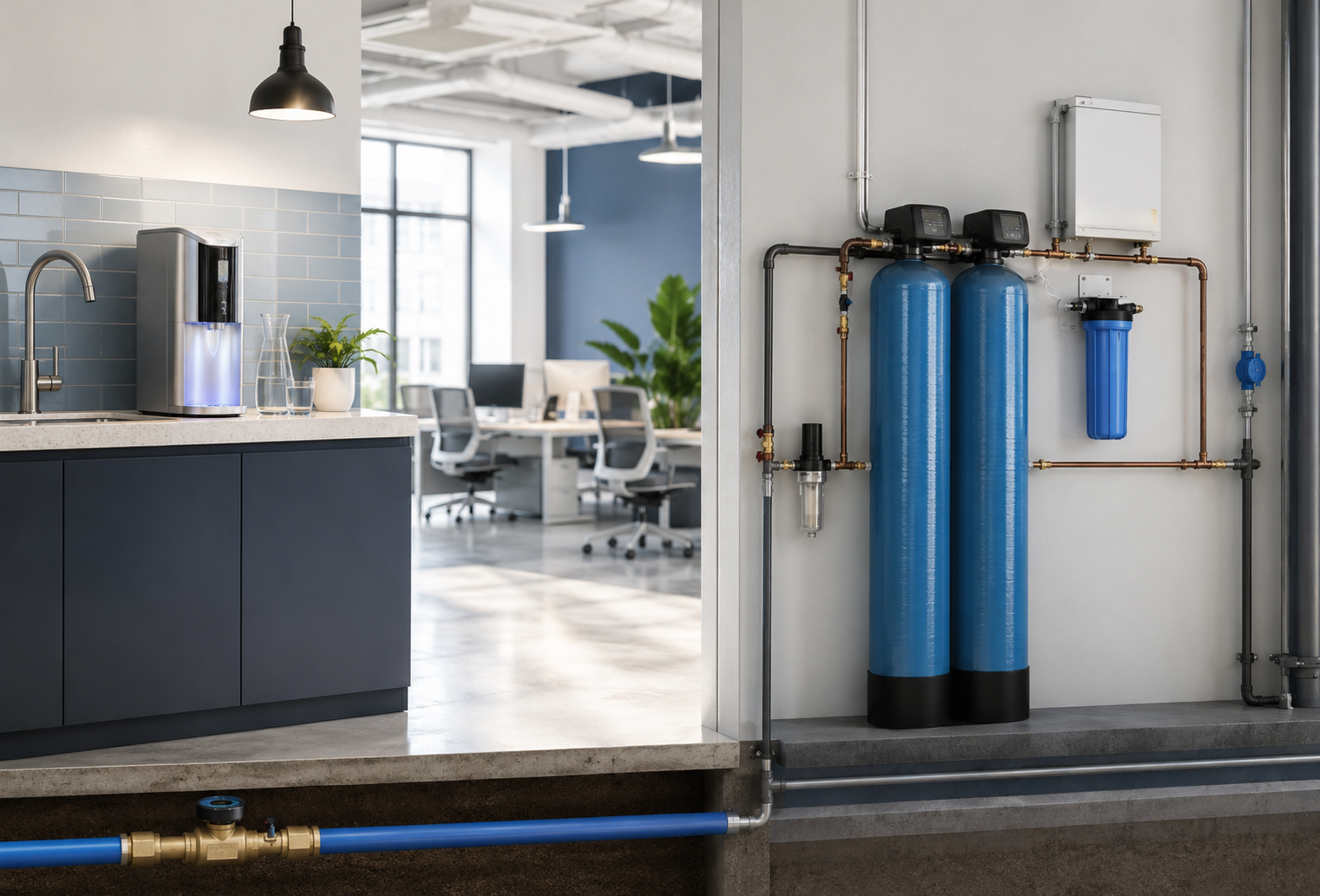
Most people believe that tap water is safe because it is purified through municipal treatment systems. Although this is generally true, "safe" does not equate to "pure." During the process of delivering water from the treatment plant through the pipeline and storage system to homes, trace contaminants and residual chemicals may still be absorbed or mixed in, affecting the taste of the water and its long-term drinking quality.
Therefore, modern household water purification systems—such as Angel's home water purifiers—are often designed to serve as the "last line of defense" before drinking water reaches the tap.
Understanding the actual components that may exist in tap water helps explain why systems like RO water purifiers are becoming increasingly popular in modern kitchens.
Common Substances in Tap Water
Even treated tap water may retain certain components depending on the water source, pipeline conditions, and treatment processes.
The most common of these is chlorine. Municipal water systems typically use chlorine for disinfection, but a small amount of residue may still be present in drinking water. Although within safe limits, it often affects the smell and taste of the water, diminishing the drinking experience.
Another concern is heavy metals, such as lead or trace industrial pollutants. These substances may enter the water through old pipes or environmental factors. Although their content is usually strictly controlled, long-term exposure in certain areas still poses potential risks.
Microbial contamination is also a factor. Even if the water has been treated at the plant, secondary contamination may occur in the water distribution system or during household storage.
Finally, hardness minerals such as calcium and magnesium are also common in tap water. They are harmless to health but can form scale in household appliances and affect the efficiency of the equipment.
Angel's home water purification system addresses these issues through multi-stage filtration technology, combining sediment filtration, activated carbon filtration, and reverse osmosis (RO) technology in different configurations to achieve more comprehensive water quality improvement.
Why Reverse Osmosis Water Purifiers Are Widely Adopted
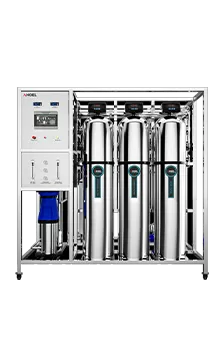
The widespread adoption of reverse osmosis (RO) water purifiers is mainly due to their excellent purification capabilities and stable water quality. The core technology is high-precision filtration of water through a semi-permeable membrane, which can effectively remove dissolved salts, heavy metals, bacteria, viruses, and other small contaminants that traditional filtration methods often struggle to completely handle. Therefore, in areas with poor or fluctuating water quality, RO water purifiers have significant advantages.
Another important reason is the stability of the output water quality. Compared to basic filtration equipment that only removes sediment or residual chlorine, reverse osmosis systems can consistently provide high-quality purified water under different inlet water conditions. This is particularly critical in scenarios such as catering, medical, and beverage production where water quality directly affects food safety and the final product's taste.
Moreover, in the long run, reverse osmosis water purifiers are economically advantageous. Although the initial investment is relatively high, they can reduce the dependence on bottled water and minimize the impact of scale on equipment, thereby extending the lifespan of related equipment and reducing maintenance costs.
Overall, with high-precision purification capabilities, stable performance, and long-term cost advantages, reverse osmosis water purifiers have become a widely trusted water treatment solution in both household and commercial sectors.
The Difference Between Reverse Osmosis (RO) and Traditional Filtration
A critical distinction in household water purification technology lies in the differences between traditional filtration and reverse osmosis (RO) technology.
Traditional filtration systems usually rely on sediment and activated carbon filtration, mainly for improving taste, removing residual chlorine, and filtering larger particulate impurities. However, they cannot effectively remove dissolved pollutants.
Reverse osmosis systems, on the other hand, use a semi-permeable membrane structure to filter extremely small contaminants, including dissolved solids and heavy metals. This is why RO systems are widely used in scenarios requiring high-purity drinking water.
Angel's RO system ensures deep purification capabilities while also focusing on a stable water output experience during daily use.
Essentially, the difference between the two lies in the depth of purification: traditional filtration "improves water quality," while RO systems reconstruct the purity of water at the molecular level.
Energy Consumption and Operational Efficiency of Water Purifiers
A common concern among consumers is the energy consumption of water purifiers.
Modern home water purifiers, especially RO systems, usually have very low energy consumption. Most purification processes rely on water pressure rather than electric power.
Electricity is mainly used for control systems, sensors, and some booster pumps. Therefore, the overall energy consumption level is comparable to that of small household appliances and does not significantly impact household electricity bills.
This also allows water purifiers to operate continuously over the long term without frequent manual operation or switching.
The Importance of Replacing Filters
The performance of all water purification systems depends on the condition of the filters. Over time, filters gradually absorb contaminants and reduce filtration efficiency, so regular replacement of filters is crucial.
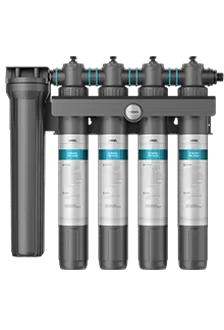
Angel's systems typically employ a multi-stage filtration structure, with different filters performing different functions and having different lifespans: pre-filters intercept impurities, activated carbon filters remove residual chlorine and odors, and RO membranes are responsible for deep purification.
If filters are not replaced in a timely manner, the following issues may occur:
Modern systems are usually equipped with filter reminder functions to help users maintain them in a timely manner, thereby ensuring long-term stable performance.
Considerations for Installing a Home Water Purifier
When choosing a home water purifier installation plan, multiple practical factors need to be considered comprehensively.
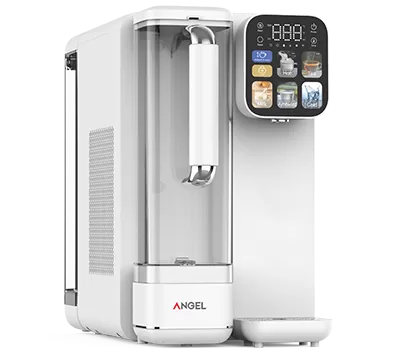
First is the space condition. Under-sink systems require cabinet interior installation space but can keep the kitchen overall tidy. On the other hand, countertop water purifiers do not need to be embedded in cabinets or modify water routes; they can be directly placed on the kitchen countertop for use. The installation process is simpler and quicker, particularly suitable for renters or households where complex installations are inconvenient. Additionally, their higher mobility allows for placement adjustments based on usage needs, offering greater adaptability in space utilization.
Next is the water pressure condition. RO systems have certain requirements for inlet water pressure to ensure stable operation.
In addition, household water consumption is also an important factor. Households with larger water consumption are better suited to choose systems with strong continuous water output capabilities rather than storage-type water purification equipment.
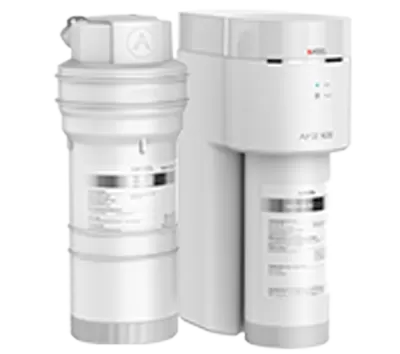
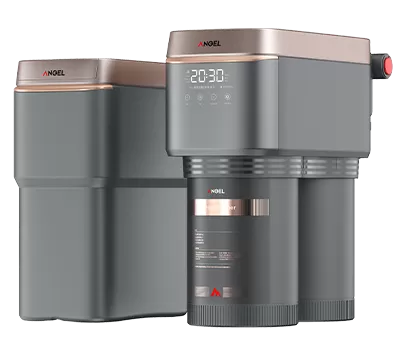
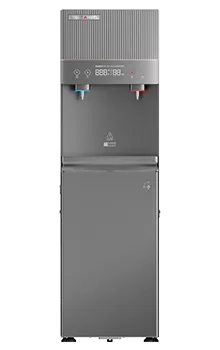
Angel's under-sink systems adopt a compact structural design and support continuous water output mode, suitable for modern family kitchen uses; meanwhile, countertop water purifiers adopt an integrated design, usually equipped with multi-stage filtration and heated water output functions, capable of achieving instant filtration and drinking, even meeting multiple water needs such as brewing and cleaning. Their characteristics of requiring no complex installation, intuitive operation, and high functional integration make them highly attractive in small-family households or for users with high convenience requirements, serving as an important supplement to under-sink systems and covering more diverse family drinking water scenarios.
How to Choose the Right Water Purifier for Your Home
There is no one-size-fits-all water purifier; the "best choice" depends on local water quality conditions and usage needs.
If water quality is relatively stable and low in pollution, basic filtration is sufficient to meet taste needs. However, if heavy metals, unknown pollutants, or significant fluctuations in water quality are present, a reverse osmosis system can provide a higher level of safety assurance.
Conclusion: Understanding Tap Water is the First Step in Choosing Water Purification
Overall, tap water is safe but not completely pure. Chlorine residues, trace heavy metals, microbes, and hardness minerals may exist depending on regional and infrastructure conditions.
Modern home water purification systems, especially under-sink reverse osmosis purifiers, enhance drinking water safety by adding a protective barrier at the water use terminal, improving the overall drinking experience. Angel's home water purification solutions combine deep purification, compact installation, and long-term stable operation capabilities, making them more suitable for modern family daily use.
Ultimately, choosing a water purifier is not merely a technical decision but an understanding and management of household water quality.
 NORTH AMERICA
 Thailand
  Indonesia