In commercial foodservice operations, ice machines are not simple auxiliary equipment. They directly influence beverage quality, food safety, and customer perception. Whether in hotels, cafés, restaurants, or convenience stores, the quality of ice reflects the quality of the entire water system behind it.
According to ANGEL Commercial Kitchen Water Filtration System, its Food Service Water Filtration Systems are designed specifically for commercial environments requiring stable potable water supply for applications such as ice machines.
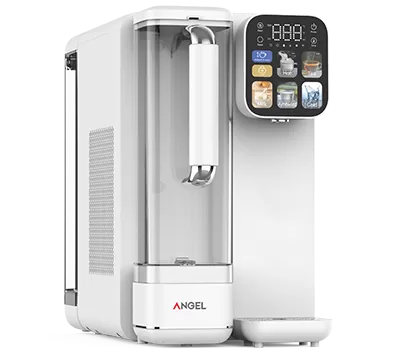
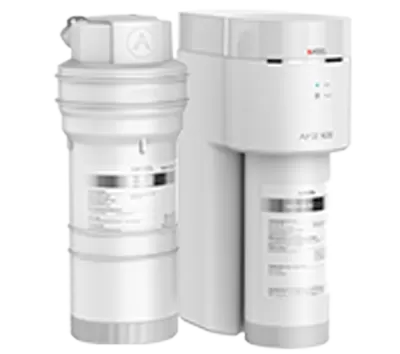
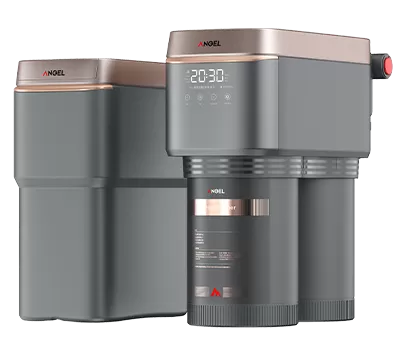
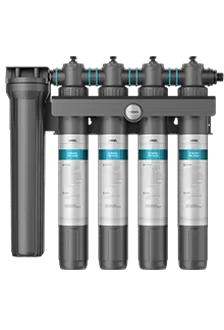
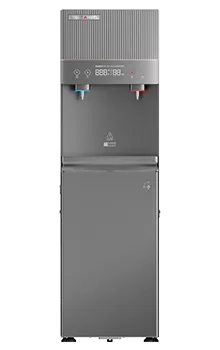
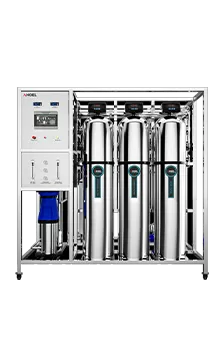
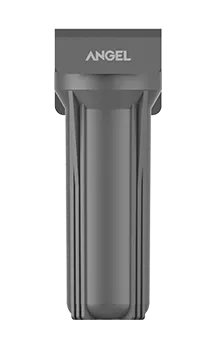
Within this system, ANGEL's commercial catering water purification solutions are mainly divided into three product lines (R8-H, U Series, and C Series), allowing flexible deployment depending on flow demand, purification depth, and installation scale.
Ice Clarity as a Direct Indicator of Water Purity
Ice clarity is one of the most immediate visual indicators of water quality in commercial environments. Cloudy or opaque ice is typically caused by dissolved solids, trapped air, chlorine, and suspended particles in untreated water.
ANGEL’s commercial filtration systems are designed to reduce these contaminants through multi-stage purification technologies. In high-demand environments, systems such as the R8-H series are often used because of their reverse osmosis-based deep purification capability, which significantly reduces dissolved impurities.
Practical impact on ice machines:
significantly clearer ice cubes
reduced cloudiness caused by TDS
improved visual consistency across batches
Fill the beverage dispenser in the convenience store with drinks, or in environments such as restaurants, and cocktail bars, the clarity of the ice is not only an issue of appearance, but also directly affects the perception of product quality.
Beverage Taste Protection and Flavor Neutrality
Water is the foundation of nearly all beverages. Coffee and tea all depend on water quality, and ice plays a direct role in dilution and flavor balance.
Without proper filtration, ice can introduce unwanted flavor elements such as:
ANGEL’s commercial filtration approach ensures that ice remains flavor-neutral, preserving the original profile of beverages.
Protection Against Scale Formation and Equipment Degradation
One of the most significant operational challenges for ice machines is scale buildup caused by calcium and magnesium in hard water. Over time, this leads to:
reduced cooling efficiency
higher energy consumption
increased maintenance frequency
shortened equipment lifespan
Industry research confirms that water filtration is a critical mitigation strategy for scale-related equipment failure in commercial kitchens.
ANGEL systems address this issue through different filtration strategies depending on system type. For example, RO-based systems such as those in the R8-H category reduce hardness significantly, making them suitable for environments where scaling risk is high.
Operational outcomes:
Stable High-Flow Water Supply for Continuous Ice Production
Commercial ice machines require continuous and stable water input, often operating 24/7 in high-demand environments such as hotels and chain restaurants.
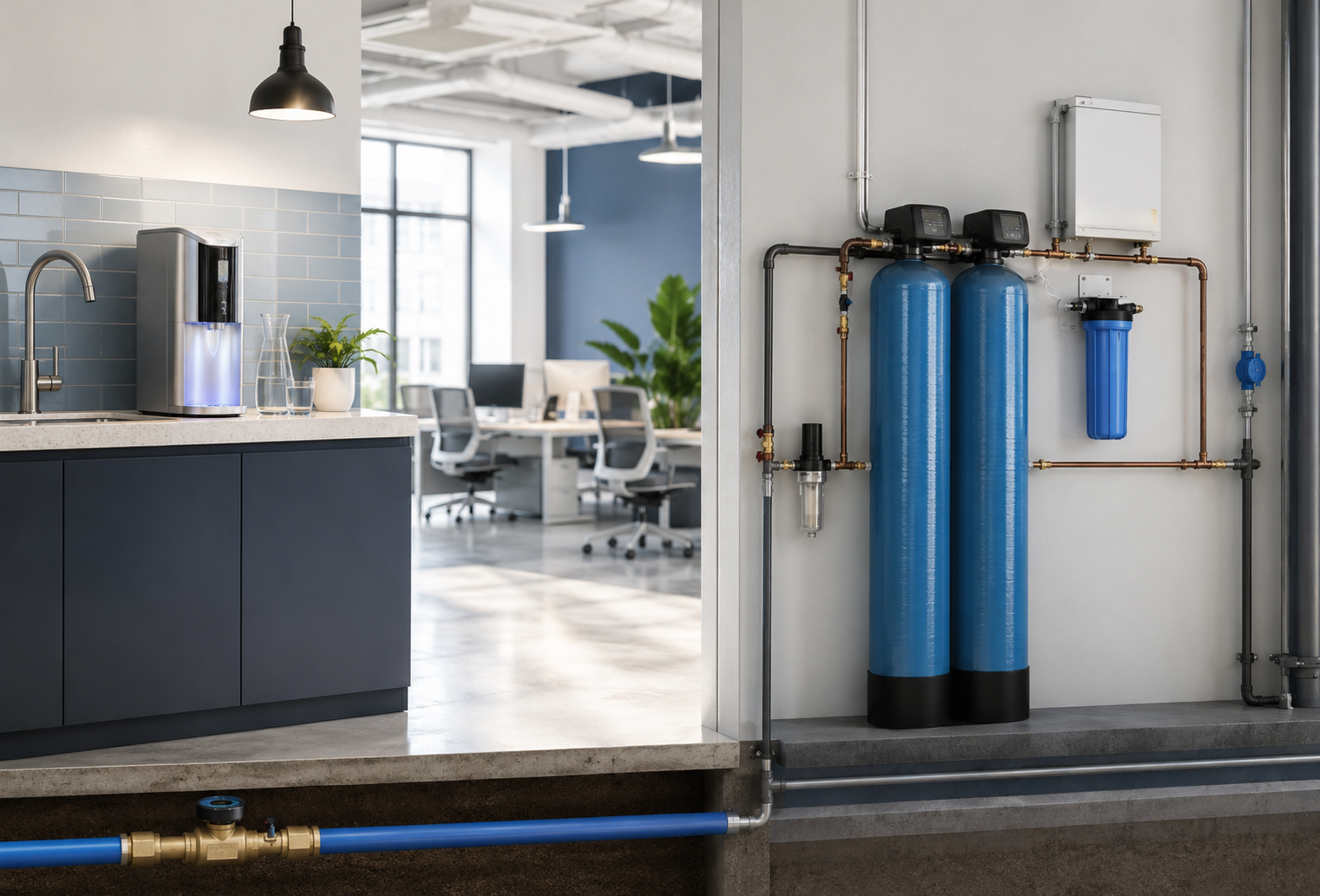
ANGEL’s commercial filtration systems are designed to support high-flow applications and multi-device integration. According to its foodservice solutions framework, a single system can supply multiple endpoints including ice machines, beverage dispensers, and kitchen equipment.
Hygiene and Food Safety Compliance in Ice Production
Ice is classified as a food product because it is consumed directly. This means it must meet potable water safety standards equivalent to drinking water.
ANGEL commercial systems integrate multiple purification layers depending on configuration:
RO membrane filtration (for deep contaminant removal)
Ultrafiltration
Activated carbon filtration (for chlorine and odor control)
UV sterilization
Scale inhibitor filter element
These technologies collectively reduce microbial and chemical risks in ice production environments.
Key hygiene benefits:
reduced microbial contamination risk
compliance with potable water expectations
safer ice for direct consumption
This is particularly important in high-volume foodservice operations where cross-contamination risk must be minimized.
Operational Efficiency and Long-Term Cost Reduction
In the operation and management of ice machines, improving efficiency and optimizing long-term costs are key objectives. From an operational efficiency perspective, it is important to select equipment models and production capacity based on actual ice demand, avoiding both overcapacity and insufficient output that can lead to frequent start-stop cycles. By integrating intelligent control systems, the ice-making cycle and energy consumption can be automatically adjusted, reducing manual intervention and enhancing operational stability. In addition, regular cleaning of condensers and evaporators, along with proper maintenance of water filtration systems, helps maintain high performance and prevents scale buildup or blockages that reduce efficiency.
From a long-term cost optimization standpoint, although energy-efficient ice machines may require higher initial investment, their savings in electricity and water consumption can significantly lower the total cost of ownership (TCO). Choosing brands with reliable after-sales service and easy maintenance design can also reduce repair frequency and downtime losses. Furthermore, implementing a preventive maintenance plan and replacing wear-prone components in advance can help avoid costly unexpected breakdowns.
Overall, through proper equipment selection, intelligent management, and standardized maintenance practices, businesses can not only improve the operational efficiency of ice machines but also achieve effective long-term cost control and optimization.
Conclusion
ANGEL commercial filtration systems provide a structured and scalable solution for ice machine applications within modern foodservice environments.
Rather than treating ice machines as isolated equipment, ANGEL integrates them into a broader water ecosystem that ensures consistency, safety, and operational efficiency.
Core benefits include:
improved ice clarity and visual quality
stable beverage taste protection
reduced scale formation and equipment wear
continuous high-flow water supply
enhanced food safety compliance
integration into unified water distribution systems
long-term cost optimization
In today’s hospitality industry, ice quality is no longer a secondary concern—it is a direct reflection of the water infrastructure behind it. ANGEL’s commercial filtration systems ensure that every ice cube produced meets the same standard as the beverages it supports.
 NORTH AMERICA
 Thailand
  Indonesia