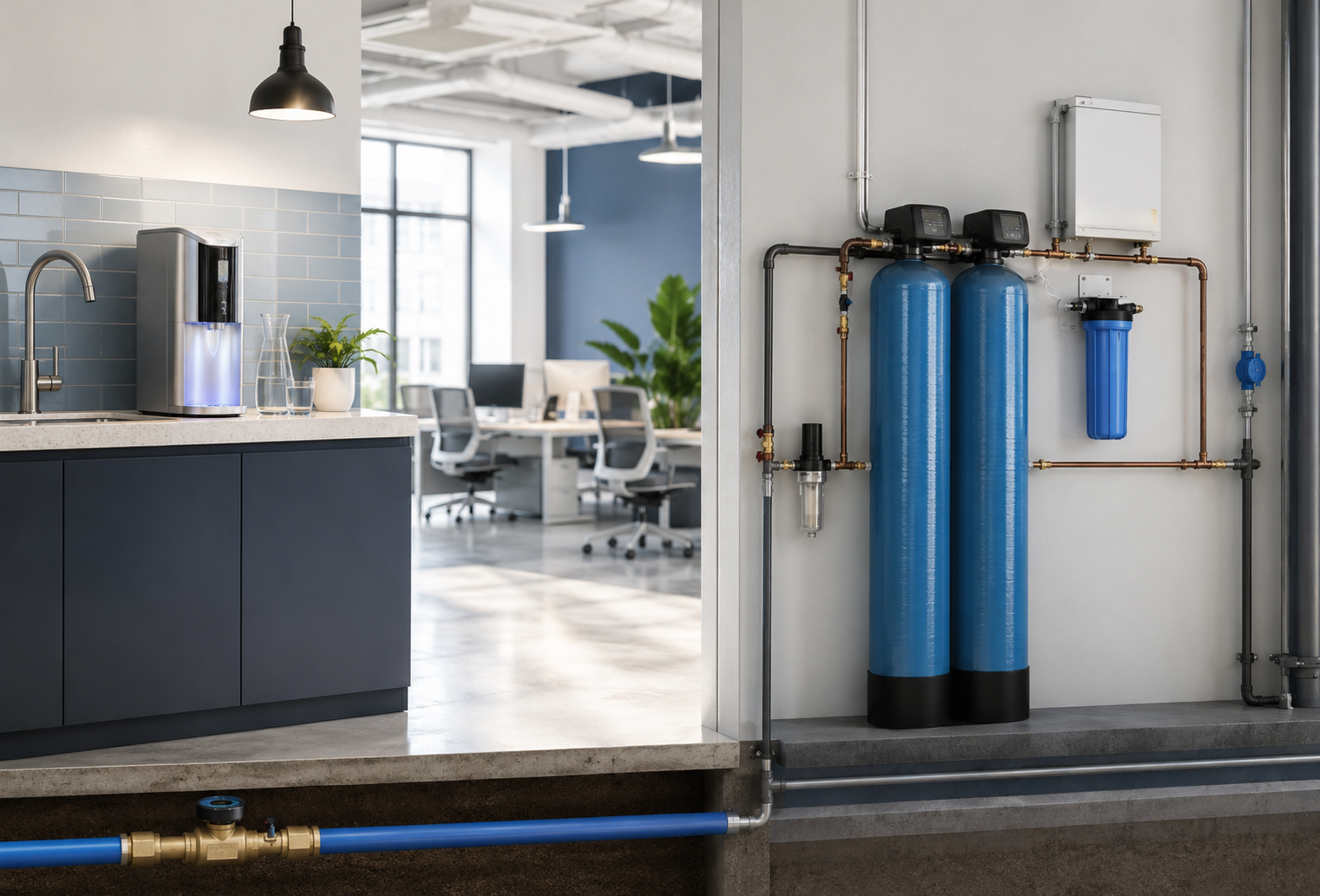
In the daily perception of many people, "tap water = safe drinking water." But the reality is actually more complex. Even in countries and cities with well-developed water treatment systems, water can still be subject to secondary contamination during the journey from the water plant to our home faucets. Therefore, more and more families are beginning to use water purifiers as the "last line of defense" for drinking water safety.
This article will take a global perspective to explain why water purifiers are becoming increasingly important and will clarify filtration technology in a more accessible way, especially the increasingly popular reverse osmosis (RO) systems.
Global Drinking Water Safety Is Actually Uneven
The safety of drinking water varies greatly worldwide. According to statistics from the World Health Organization, a large number of people globally still cannot reliably access safe drinking water.
But the problem is not only present in developing countries. In many developed regions, tap water may also face "hidden risks," such as:
Lead or rust contamination from old pipes
Trace chemical residues from industrial or agricultural activities
Disinfection by-products
New pollutants like microplastics
Secondary contamination of the pipeline network
The U.S. Environmental Protection Agency also monitors various pollutants in drinking water over the long term and points out that "compliant water" may still contain trace amounts of risk substances.
In simple terms: treated water ≠ completely pure water.
The specific risks vary by region, water source, and the types of contaminants that may remain in tap water. This is also why "home purification" is becoming increasingly important.
What Exactly Does Water Filtration Do?
Many people hear "filtration" and "purification" and mix them up, but they are not exactly the same.
The core of water filtration is to "block" or "adsorb" impurities in the water through different materials, making the water cleaner and better tasting. However, the capabilities of different technologies vary greatly:
For example, activated carbon filtration mainly improves taste, removing chlorine and odors, but its ability to handle heavy metals or dissolved pollutants is limited.
Sediment filtration is more like a "sieve," responsible for blocking visible particles like sand and rust.
Ultrafiltration can filter bacteria, but it is not strong in removing salts and chemicals.
So the key difference is:
Filtered water may be fresher, but not necessarily safer; while "purified water" usually implies a more thorough treatment process.
Why Reverse Osmosis (RO) Is Considered a Higher Standard of Water Purification
If there is a "more thorough option" in water purification technology, it is usually reverse osmosis (RO).
How Does RO Work?
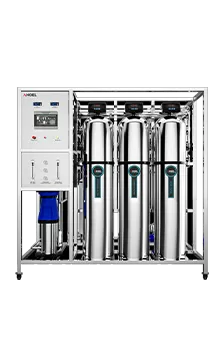
Simply put, an RO system uses pressure to "squeeze" water through a very fine membrane. This membrane only allows water molecules to pass through, while most pollutants are blocked.
It can remove:
Heavy metals (such as lead, arsenic)
Dissolved salts and nitrates
Bacteria and viruses
Microplastics and some chemical residues
Differences Compared to Ordinary Filtration
Ordinary filtration is more about "improving experience," such as removing odors and impurities; whereas RO systems lean towards "comprehensive purification," able to remove pollutants in water.
This is also why in areas with poor water quality, RO is more popular.
What Is the Impact of Drinking Purified Water Long-term on the Body?
The quality of drinking water is actually closely tied to health in the long term, though many changes are not immediately noticeable.
First, purified water can reduce the intake of heavy metals and chemical residues, which can pose health risks if accumulated over time.
Secondly, after removing the chlorine taste and other odors, water becomes more palatable, naturally encouraging people to drink more.
Additionally, reducing the risk of bacteria and viruses can lower the probability of gastrointestinal discomfort.
Another often overlooked point is skin condition. Cleaner water can reduce contact with some irritants, making it friendlier for people with sensitive skin.
These changes usually do not have "immediate effects," but lean more towards improving long-term quality of life.
Why Are More Families Choosing RO Water Purification Systems?
Nowadays, more families are opting for reverse osmosis systems, and the reasons are quite practical.
First, its filtration range is more comprehensive, eliminating the need for users to judge "what's in the water"; the system itself performs multi-layer processing.
Second, it is highly adaptable. Whether dealing with hard water, urban tap water, or regions with fluctuating water quality, RO systems can provide relatively stable results.
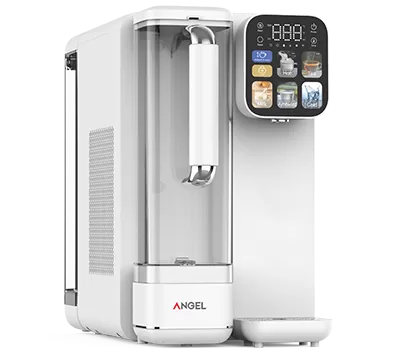
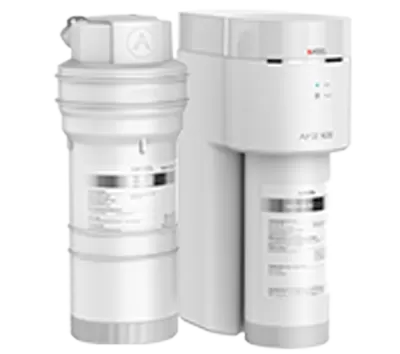
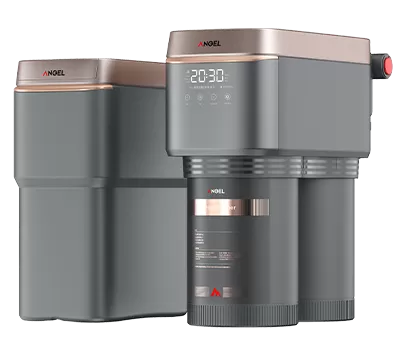
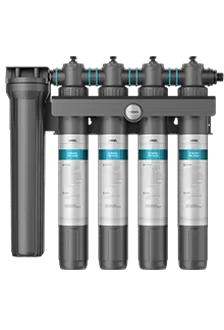
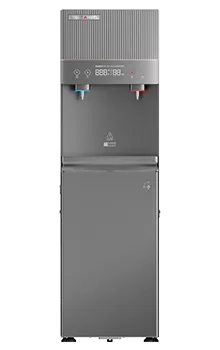
Third, the equipment itself is also being upgraded. Many modern RO purifiers are smaller, available in under-sink or countertop models, and now include features like filter replacement reminders and water quality displays, making them much more convenient than before.
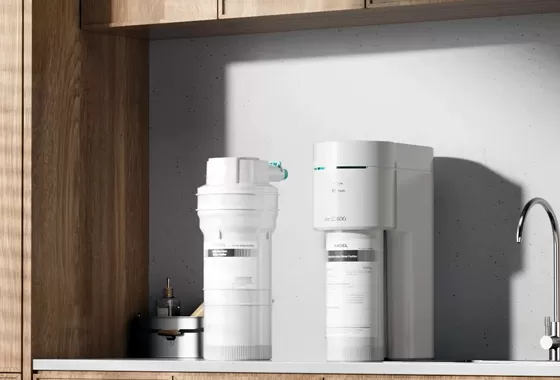
Meanwhile, leading brands are continually updating their technology. For instance, companies like Angel are dedicated to enhancing the performance of reverse osmosis membranes, reducing energy consumption, and improving overall user experience through more intelligent system designs. The Angel T6 RO Sparkling Countertop Water Purifier achieves these goals. These updates reflect a broader trend in the industry towards innovation and reliability.
How to Choose a Home Water Purifier?
Choosing a water purifier doesn't have to be complicated; the core is to consider the water source condition and usage needs.
If your water is relatively clean and you just want to improve taste, then basic filtration is sufficient.
If the water in your home is hard with obvious scaling, then water softening equipment will be more targeted.
But if you want more peace of mind, especially when unsure about the water quality source, an RO system is usually a more secure choice.
In terms of usage, pay attention to two points:
Installation must be standard; otherwise, it will affect effectiveness; Filters must be replaced regularly, or purification capacity will decline.
Nowadays, many devices have made these aspects simple, such as automatic filter replacement reminders, so users don't need to remember themselves.
Clean Water Is Actually a Basic Guarantee
In modern life, it's difficult to judge water safety merely by "eye." Many pollutants are invisible and undetectable by taste.
Therefore, the significance of water purifiers is not just to "make water taste better," but to make drinking water more controllable and reassuring.
Especially for reverse osmosis systems, they represent a more complete purification approach: minimizing uncertainties as much as possible.
From a long-term health perspective, investing in a reliable water purification system is actually a very basic but important guarantee for quality of life.
 NORTH AMERICA
 Thailand
  Indonesia