In commercial kitchens, dishwashing systems (including dishwashers, glass washers, and tableware cleaning equipment) typically operate under extremely stringent conditions. Unlike general cleaning tasks, these devices need to provide stable and consistent hygienic cleaning effects under continuous load and often need to operate continuously during peak restaurant hours.
Water quality is one of the most critical yet easily overlooked factors affecting washing performance. According to Angel Commercial Water Solutions, catering water filtration not only serves beverage applications but is also suitable for dishwashing water systems.
Water Quality is the Core Determinant of Cleaning Effectiveness
In dishwashing systems, water is not just a rinsing medium; it is an important "cleaning medium" involved in the cleaning process itself. Poor water quality can directly lead to:
Water stains remaining on the surface of dishes or glasses
Incomplete removal of grease
Unstable disinfection effect
Increased detergent consumption
Filtration systems stabilize water quality before it enters dishwashing equipment, ensuring predictable and stable cleaning results in every washing cycle.
Filtration System Architecture in Dishwashing Applications
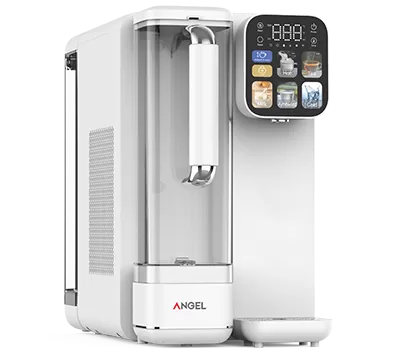
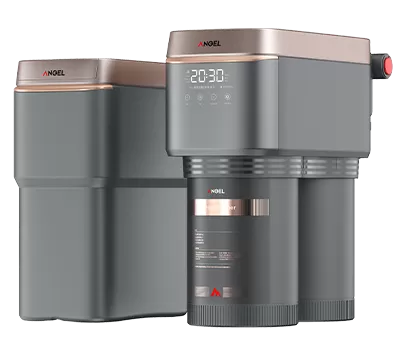
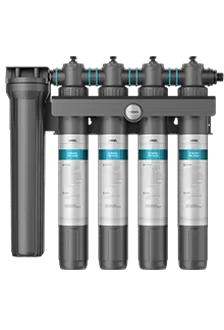
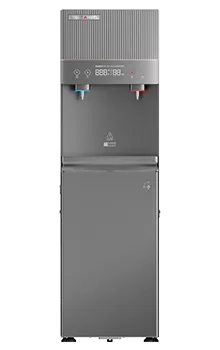
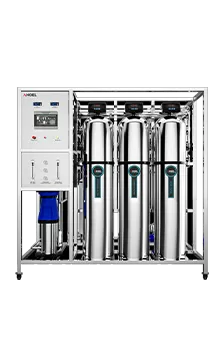
Angel designs commercial filtration solutions as a scalable system architecture based on filtration precision. The most suitable filtration product for commercial dishwashers is the C series.
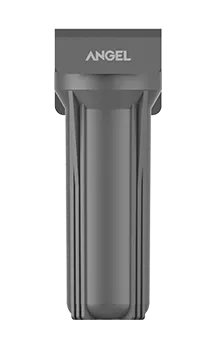
C Series
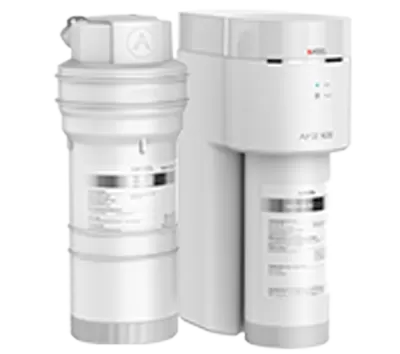
The C series is mainly used for localized water quality protection of dishwashers and glass washers, focusing on removing sediment and residual chlorine to enhance rinsing clarity and prevent nozzle clogging.
Typical advantages include:
Enhancing the clarity of rinse water
Reducing the transmission of odors to glassware
Providing stable water flow for small to medium-sized dishwashing equipment
Preventing Scale Formation in Dishwashing Equipment
Scale is one of the most expensive operational issues in dishwashing systems. Minerals such as calcium and magnesium in water gradually deposit in heating elements, spray arms, and internal piping.
Long-term impacts include:
Decreased thermal efficiency
Increased energy consumption
Increased maintenance frequency
Shortened equipment lifespan
Industry research confirms that water treatment is the key means to reduce scale-related failures in commercial dishwashing equipment.
Angel filtration systems effectively reduce the risk of scale formation by lowering hardness before water enters the equipment, especially evident in anti-scale filter cartridges.
Enhancing Detergent Efficiency
The chemical properties of water directly affect the performance of detergents during the washing cycle. In hard water or chlorinated water environments:
Detergent cleaning efficiency decreases
Unstable grease emulsification
Water film or stains easily remain after rinsing
Effectively filtered water sources can significantly enhance the stability and cleaning effect of detergents.
The practical advantages include:
This is particularly critical in beverage service scenarios, as even small residues can affect customer experience.
Hygiene Control and Food Safety Compliance
Dishwashing systems are critical control points in food safety management. Even if surface cleanliness meets standards, unstable rinse water quality may still pose a risk of microbial contamination.
These filtration layers work together to ensure that dishwashing water can reach safety standards close to drinking water level, suitable for scenarios involving direct or indirect food contact.
Integrating Fresh Water and Drinking Water Network Systems
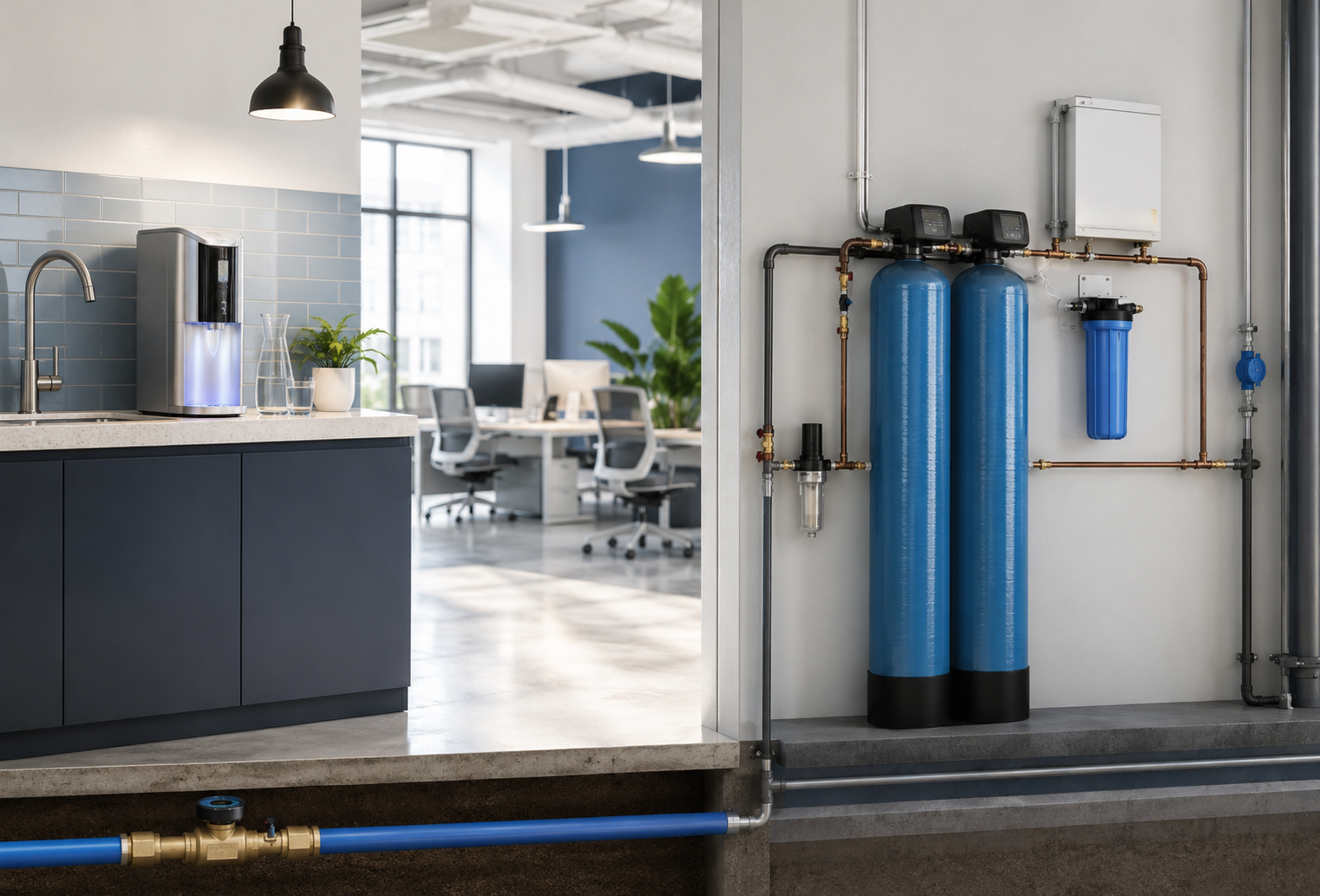
Modern commercial kitchens are increasingly inclined to adopt an integrated water supply architecture rather than filtering single devices.
Angel systems support a unified "fresh water system" architecture, where one purification system can supply multiple terminal devices simultaneously:
This structure forms a centralized "water purification distribution system," ensuring all kitchen equipment operates under it. (Different equipment may have different water quality requirements)
Operational Efficiency and Lifecycle Cost Optimization
The economic impact of water filtration on dishwashing systems is often underestimated, but it is actually very significant.
Proper water treatment can bring:
Reduced detergent consumption
Reduced use of descaling chemicals
Lower equipment maintenance frequency
Increased equipment uptime
Extended dishwasher lifespan
In high-frequency operations kitchens, these savings accumulate rapidly in daily operations.
Additionally, reducing scale can also improve energy efficiency, as the heat exchange efficiency inside the equipment remains stable.
Conclusion
The performance of dishwashing systems is highly dependent on water quality, so water filtration is no longer an optional configuration but a necessary condition at the infrastructure level.
Angel commercial filtration systems provide scalable solutions for catering scenarios of different scales, covering from small restaurants to large centralized catering facilities.
Core advantages include:
Improving the cleanliness of tableware and glassware
Reducing scale formation in dishwashing systems
Enhancing detergent efficiency and stability
Ensuring rinse water quality consistency
Enhancing hygiene and food safety compliance
Integrating into a unified drinking water network system
Reducing operational and maintenance costs
In modern catering environments, dishwashing is no longer just a simple cleaning process, but a controlled hygienic engineering system. Angel commercial filtration systems ensure that every washing cycle runs in a stable, high-quality water environment, thereby ensuring both equipment performance and food safety standards.
 NORTH AMERICA
 Thailand
  Indonesia