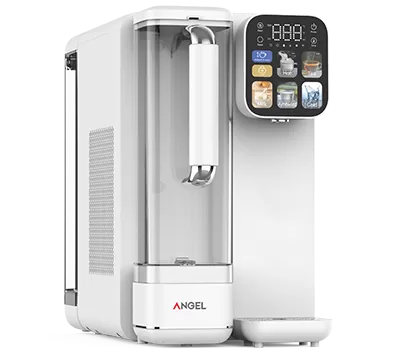
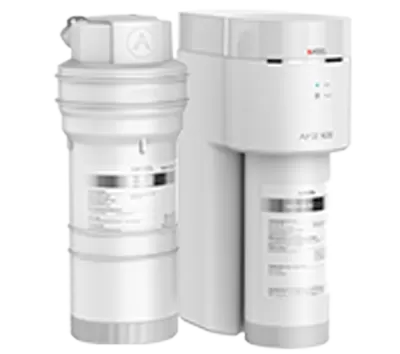
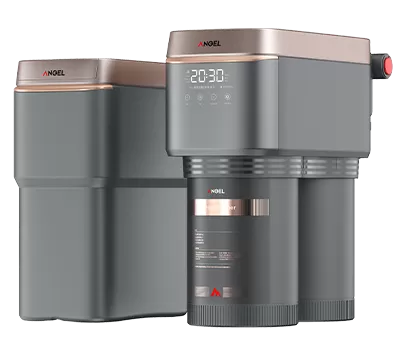
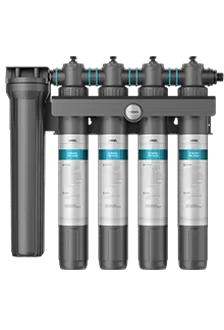
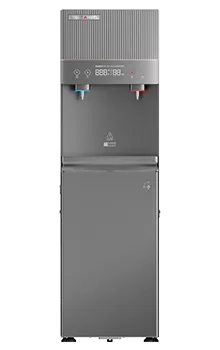
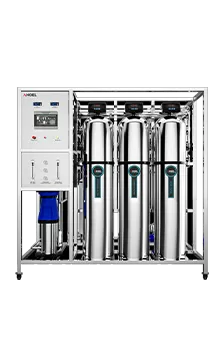
Comparing water purifiers and water softeners is not about choosing between two versions of the same product category; they address different water quality issues. Water purifiers are mainly used to remove harmful contaminants such as heavy metals, viruses, and bacteria from drinking and cooking water. Water softeners, on the other hand, are used to reduce calcium and magnesium hardness that causes scale and affects the overall household water experience.
Quick Conclusion: Choose purification when focusing on drinking water quality; choose softening when needing to reduce calcium and magnesium hardness. If your home has hard water issues and you also want purified drinking water, you can combine both. |
How Do Water Purifiers and Softeners Work?
Water purifiers can use technologies such as sediment filtration, activated carbon, ultrafiltration, or reverse osmosis (RO). Among them, RO water purifiers use pressure to push water through selective membranes, effectively reducing most harmful contaminants before the water reaches the drinking faucet or equipment.
Water softeners use ion exchange resin to swap calcium and magnesium ions, which cause hardness, with sodium or potassium ions. The resin needs to be periodically regenerated to continuously process the incoming raw water.
This is the key to understanding the difference between water purifiers and softeners: Purifiers focus on filtering impurities and contaminants in the water to ensure drinking safety, while softeners are generally used to reduce the hardness of the whole house's water supply.
What Water Quality Issues Do These Systems Solve?
Water Quality Issue | Water Purifier | Water Softener |
Residual Chlorine Taste and Odor | Usually improved through activated carbon stage | Not a primary function |
Harmful Impurities in Tap Water | Can reduce various impurities | Not a primary function |
Calcium and Magnesium Hardness | Depends on technology, can reduce some minerals at the endpoint | Concentrated treatment through ion exchange |
Scale in Pipes and Appliances | If installed at only one faucet, protection is limited | Used to reduce hardness in treated water supply |
Drinking Water Purification | Primary goal | Cannot replace drinking water purification systems |
Signs You Might Need a Water Softener
· White scale appears on faucets, shower screens, or kettles.
· Glassware and hardware have noticeable water spots after drying.
· Water heaters and appliances become less efficient or need frequent descaling maintenance.
· Detergents do not easily foam, and clothes feel stiff after washing.
· Water quality testing confirms high hardness.
Angel's water softening system uses resin ion exchange to reduce calcium and magnesium hardness. Softening helps improve bathing experience, washing efficiency, and appliance protection but should not be marketed as a replacement for drinking water purification.
Signs You Might Need a Water Purifier
· Drinking water has noticeable residual chlorine taste or odor.
· Sediment or visible particles appear at the faucet.
· Want to reduce harmful substances in drinking and cooking water.
· Raw water quality fluctuates, requiring additional controllable treatment at the endpoint.
If the kitchen wants to distinguish between washing and direct drinking water needs, consider using an under-sink tankless dual-outlet RO water purifier. Equipped with a multi-stage filtration system, it's hidden under the sink, saving countertop space; purified water is used for washing fruits and vegetables, pure water is dedicated for drinking, making soup, and cooking, ensuring more scientific water usage classification.
Can Water Purifiers and Softeners Be Used Together?
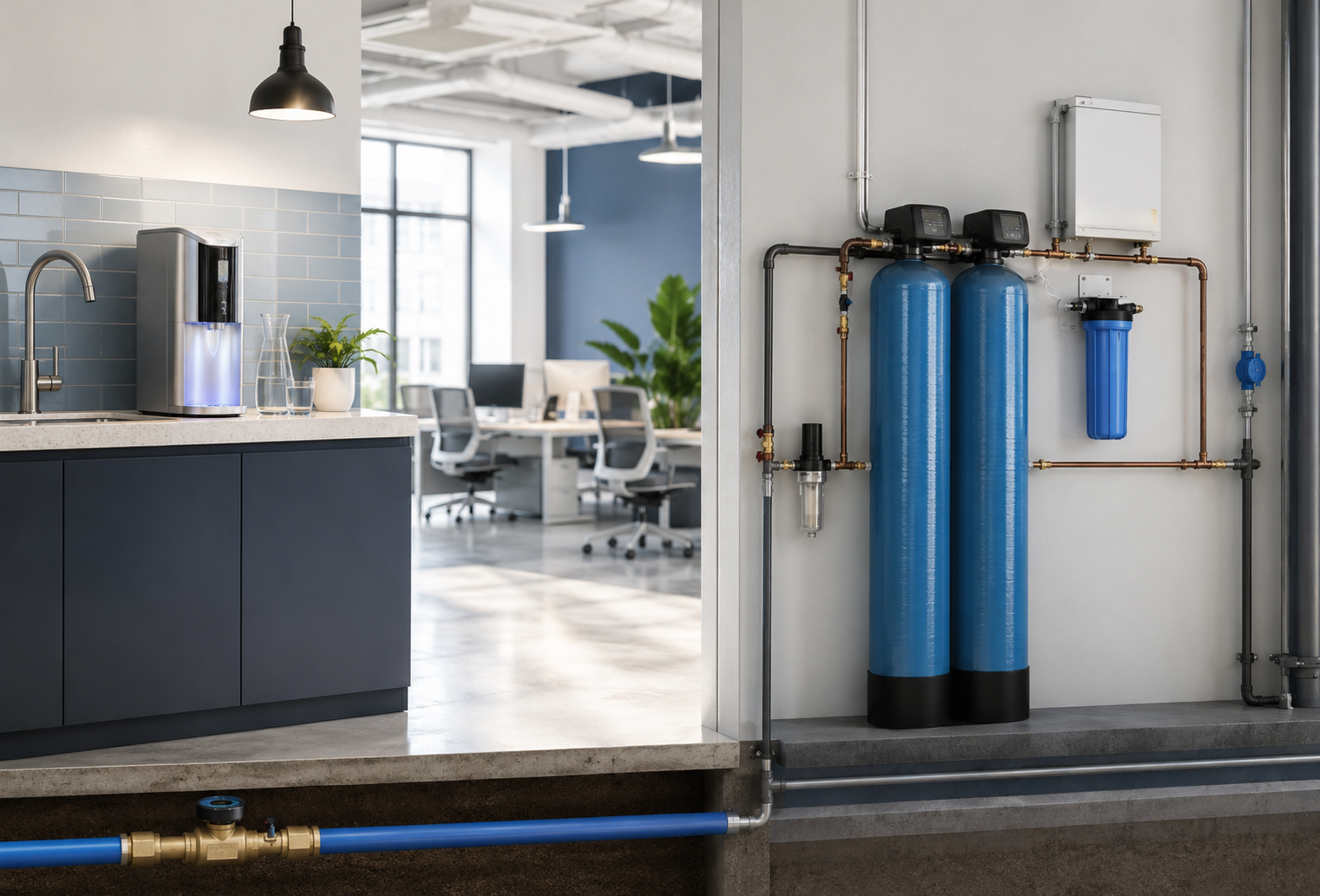
Yes. In hard water households, water softeners can treat a broader range of water supply and reduce scale, while RO water purifiers provide standalone drinking water. This configuration may also reduce the load of hardness on the RO system, but the final plan should still be based on water quality testing and equipment manufacturer requirements.
A complete home softening and purification system or a coordinated design of softeners and filtration systems doesn't necessarily have to be a single physical device; it can also be a coordinated design of treatment processes: pre-filtering if necessary, then configuring whole-house softening, and endpoint purification at drinking points.
Choosing Based on Water Quality Testing and Usage Scenarios
Test Result or Need | Suggested Direction |
High hardness, but other drinking water indicators are acceptable | Evaluate a whole-house softening solution |
Problems with drinking water taste, odor, or soluble impurities | Evaluate endpoint purification or RO solutions |
High hardness, and need to purify drinking water | Combine water softener and purifier |
Only one kitchen faucet needs treatment | Start with an endpoint water purifier |
Multiple bathrooms and appliances are affected by scale | Single drinking water filter is insufficient, should evaluate whole-house softening |
Users wishing to compare coordinated home solutions can check Angel's residential water purifiers and softeners, rather than forcing one device to solve all water quality issues.
FAQs About Water Purifiers and Softeners
Can a Water Softener Purify Drinking Water?
No. The core function of a water softener is to reduce hardness, and other contaminants in drinking water still require appropriate purification technology.
Can RO Soften Water?
RO can reduce dissolved minerals at the endpoint, but an endpoint RO system cannot protect the entire plumbing and appliances like a whole-house softener can.
Should a Water Softener Be Installed Before an RO Water Purifier?
It typically has value in hard water households, but specific layouts still need to be confirmed by combining water quality analysis, water pressure, and equipment requirements.
How to Determine Whether to Choose a Water Softener or Filter?
First test the water quality and confirm the issue. Hardness issues correspond to softening; taste, odor, or drinking water impurity issues correspond to filtering or purification.
 NORTH AMERICA
 Thailand
  Indonesia