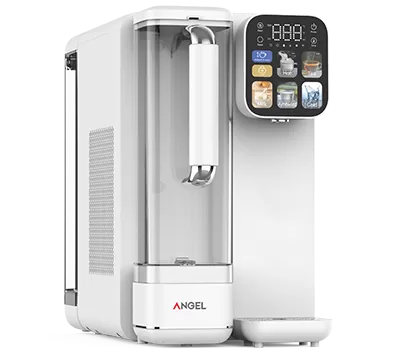
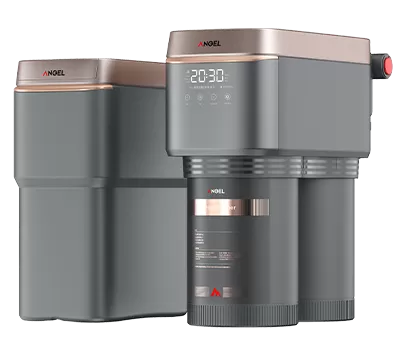
When it comes to improving the quality of drinking water at home, two common solutions are filtered water and RO (Reverse Osmosis) purified water. While both methods enhance water quality, they are not the same. Understanding the difference helps you choose the right solution for your family's needs.
What is Filtered Water?
Filtered water typically refers to water that has passed through a basic filtration system, such as carbon filters or sediment filters. These filters remove impurities like chlorine, dirt, sand, and some unpleasant odors or tastes. Filtered water is generally safe for everyday use, improves taste, and is more affordable. However, it does not remove all dissolved solids, heavy metals, or microorganisms.
Key Benefits of Filtered Water:
Improves taste and smell
Removes chlorine and sediments
Affordable and easy to maintain
Provides safe, clean water for cooking
What is RO Purified Water?
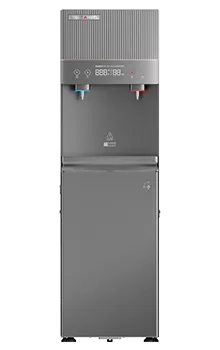
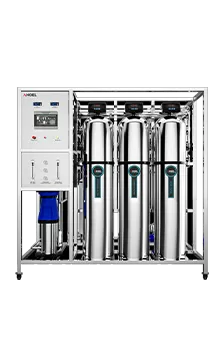
RO purified water goes through a much more advanced purification process. Using a semipermeable membrane, RO systems remove up to 99% of dissolved salts, heavy metals, bacteria, and other contaminants. This makes RO purified water significantly cleaner and safer for direct consumption.
Key Benefits of RO Purified Water:
Removes up to 99% of contaminants
Eliminates heavy metals like lead and arsenic
Provides safe, clean water for drinking
Filtered Water vs. RO Purified Water: Which Should You Choose?
For everyday taste improvement: A basic water filter is sufficient. It’s ideal if your main concern is chlorine or minor impurities.
For health and safety: RO purified water is the better choice, especially in areas with poor water quality or concerns about heavy metals and bacteria.
Final Thoughts
Both filtered water and RO purified water improve your drinking experience, but they serve different purposes. If you’re looking for complete protection and the highest level of purity, RO purification is the superior solution. For households mainly seeking better taste at a lower cost, filtered water may be enough.
 United States
 Thailand
  Indonesia